Tunable White Technology
Lighting That Adapts
Introduction
As our understanding of light's impact on human health and performance deepens, the lighting industry has evolved beyond simple on-off illumination to embrace dynamic solutions that respond to our biological needs. This represents a more nuanced, human-centric approach. At the forefront of this shift is Tunable White technology—a transformative approach that allows users to adjust the color temperature of lighting systems in real-time. Tunable White enables designers to vary the visual character of a space throughout the day and can support circadian-informed lighting strategies when paired with appropriate spectrum, intensity, timing, and controls. The ability to mimic the natural progression of daylight patterns helps create dynamic environments while offering unparalleled design flexibility.
A limitation of traditional static lighting that is becoming increasingly apparent with further research is that regardless of quality, it cannot address the dynamic nature of human visual and biological needs across different times of day and activities. The research reveals the profound influence of light on alertness, mood, sleep quality, and overall well-being. One of the most effective tools for creating more adaptive, human-centric environments is Tunable White technology, especially when paired with well-designed controls and thoughtful commissioning. This whitepaper explores the fundamentals of Tunable White technology and its role in creating human-centric environments that adapt to our innate needs.
What Is Tunable White Technology?
Tunable White technology refers to LED lighting systems capable of dynamically adjusting their Correlated Color Temperature (CCT) across a defined spectrum, typically ranging from warm amber-toned whites (2700K-3000K) to cool blue whites (5000K-6500K). Unlike traditional fixed-CCT fixtures or basic dim-to-warm solutions, Tunable White systems allow for independent control over both light intensity (dimming) and color temperature, enabling precise calibration for specific applications, times of day, or user preferences. It is important to note that CCT is a visual descriptor, not a direct circadian metric.
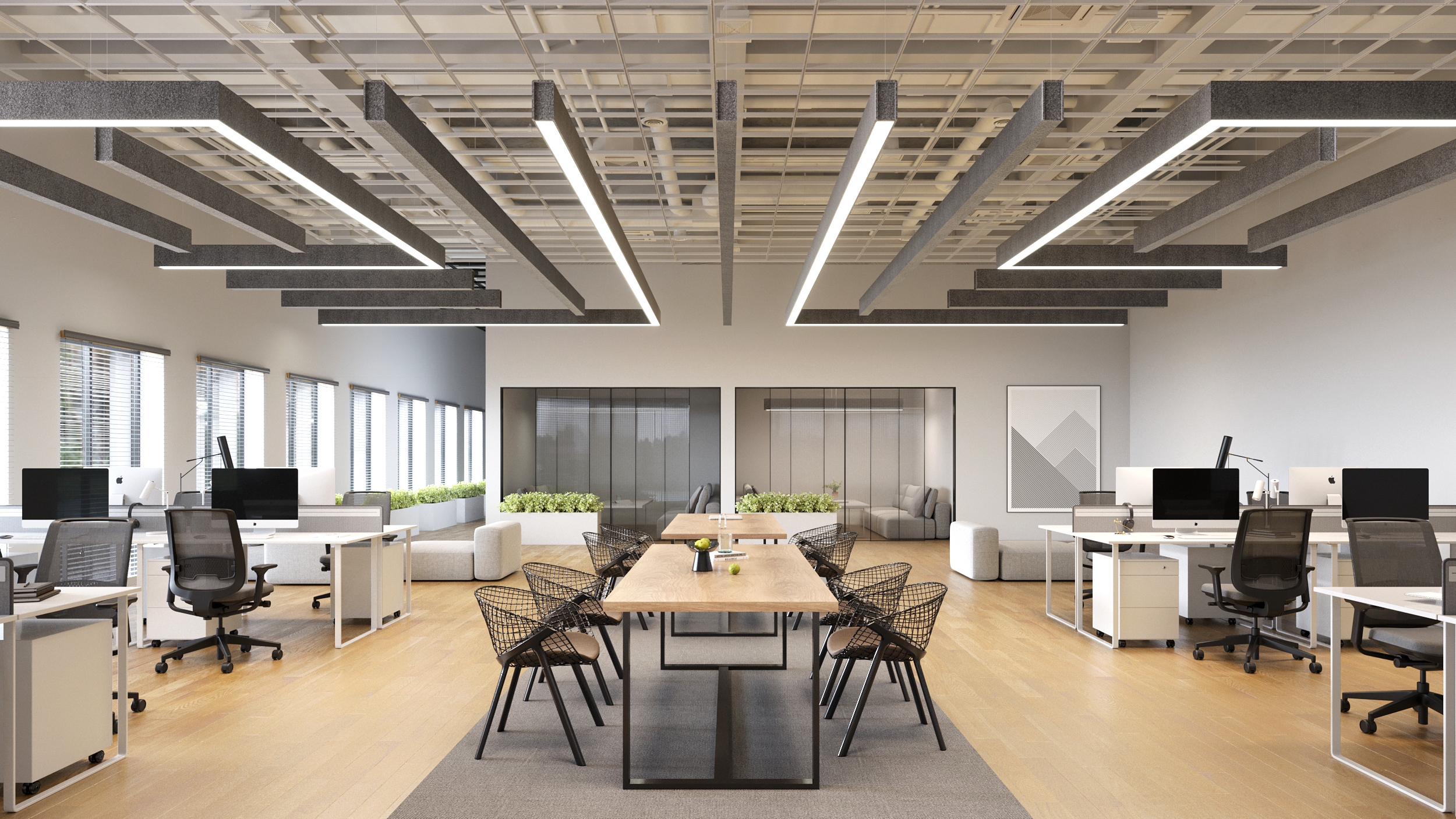
This dynamic capability transforms lighting from a static environmental element into an active tool for supporting human performance, comfort, and health throughout the day. The color temperatures above range from a cozy, yellowish glow at lower CCT ranges (mimicking sunset) to balanced and crisp lighting in the middle range (used in retail and office environments like with the BOGGLE series among others), and finally to a bright bluish-white light (mimicking mid-day sun).
| CCT Range | Color Appearance | Common Design Intent | Typical Applications |
|---|---|---|---|
| 2700K - 3000K | Warm White/Soft | Relaxing and Warm Ambiance | Evening Lighting, Hospitality, Residential, Patient Rooms |
| 3500K - 4000K | Neutral White | Neutral and Balanced for General-Use Environments | Retail, General Office, Educational Common Areas |
| 4500K - 5000K | Cool White | Alerting, Crisp and Daytime/Task-Oriented Appearance | Morning Lighting, Healthcare, Active Work Environments |
| 5500K - 6500K | Daylight White | Cool Daylight, Highly Alerting and for High Visibility Applications | Precision Tasks, Clinical Settings, Morning Activation |
What Is Tunable White Technology?
Tunable White technology refers to LED lighting systems capable of dynamically adjusting their Correlated Color Temperature (CCT) across a defined spectrum, typically ranging from warm amber-toned whites (2700K-3000K) to cool blue whites (5000K-6500K). Unlike traditional fixed-CCT fixtures or basic dim-to-warm solutions, Tunable White systems allow for independent control over both light intensity (dimming) and color temperature, enabling precise calibration for specific applications, times of day, or user preferences. It is important to note that CCT is a visual descriptor, not a direct circadian metric.
| CCT Range | Color Appearance | Common Design Intent | Typical Applications |
|---|---|---|---|
| 2700K - 3000K | Warm White/Soft | Relaxing and Warm Ambiance | Evening Lighting, Hospitality, Residential, Patient Rooms |
| 3500K - 4000K | Neutral White | Neutral and Balanced for General-Use Environments | Retail, General Office, Educational Common Areas |
| 4500K - 5000K | Cool White | Alerting, Crisp and Daytime/Task-Oriented Appearance | Morning Lighting, Healthcare, Active Work Environments |
| 5500K - 6500K | Daylight White | Cool Daylight, Highly Alerting and for High Visibility Applications | Precision Tasks, Clinical Settings, Morning Activation |
This dynamic capability transforms lighting from a static environmental element into an active tool for supporting human performance, comfort, and health throughout the day. The color temperatures above range from a cozy, yellowish glow at lower CCT ranges (mimicking sunset) to balanced and crisp lighting in the middle range (used in retail and office environments like with the BOGGLE series among others), and finally to a bright bluish-white light (mimicking mid-day sun).
The Science Behind Tunable White: How it Works
The primary function of Tunable White technology is to provide a "sliding scale" of white light representing a spectrum of control with key scientific considerations:
Circadian Biology and Light
The human circadian system, which helps synchronize the body with the natural 24-hour day-night cycle, is particularly responsive to blue-enriched light in the 460-480 nm range, commonly associated with higher color temperatures. Prolonged exposure during the day can suppress melatonin production, promoting alertness and cognitive performance, while limiting that exposure in the evening allows melatonin levels to rise, supporting healthier sleep onset and quality.
Color Rendering Considerations
Advanced tunable white systems maintain high color rendering index (CRI) values across their entire CCT range, ensuring that color accuracy is preserved regardless of the selected temperature supporting visual tasks and aesthetic presentation. High quality systems can maintain CRI levels at 90 or above throughout their tuning range.
Dual-Channel LED Arrays:
Fixtures equipped with a mix of high-CCT (cool) and low-CCT (warm) LED chips.

Intelligent Drivers:
Advanced power supplies that manage the ratio of power between the warm and cool channels.
Control Interface:
User-facing systems (wall stations, apps, or sensors) that translate desired settings into electrical signals.
The primary function of Tunable White technology is to provide a "sliding scale" of white light representing a spectrum of control with key scientific considerations:
Circadian Biology and Light
The human circadian system, which helps synchronize the body with the natural 24-hour day-night cycle, is particularly responsive to blue-enriched light in the 460-480 nm range, commonly associated with higher color temperatures. Prolonged exposure during the day can suppress melatonin production, promoting alertness and cognitive performance, while limiting that exposure in the evening allows melatonin levels to rise, supporting healthier sleep onset and quality.
Color Rendering Considerations
Advanced tunable white systems maintain high color rendering index (CRI) values across their entire CCT range, ensuring that color accuracy is preserved regardless of the selected temperature supporting visual tasks and aesthetic presentation. High quality systems can maintain CRI levels at 90 or above throughout their tuning range.
Dual-Channel LED Arrays:
Fixtures equipped with a mix of high-CCT (cool) and low-CCT (warm) LED chips.
Intelligent Drivers:
Advanced power supplies that manage the ratio of power between the warm and cool channels.
Control Interface:
User-facing systems (wall stations, apps, or sensors) that translate desired settings into electrical signals.
Why Is Tunable White Important in Modern Lighting?
The unique value of Tunable White technology lies in its ability to adapt a physical space to the functional needs of its occupants. Implementing it offers multiple interconnected benefits that extend far beyond traditional lighting capabilities:

Human-Centric Design and Circadian Support:
Research suggests that daytime light exposure and spectral composition can influence mood, and sleep-related outcomes, although results may vary by application, timing, exposure level, and user population.

Enhanced Productivity and Performance:
Effective management of blue-enriched light shows potential productivity improvements in office environments as well as overall reductions in perceived fatigue and eyestrain.

Flexibility and User Preference:
Different tasks, times of day, spaces and individual preferences benefit from different lighting conditions and Tunable White technology provides the flexibility to optimize.

Aesthetic Control and Ambiance:
Beyond biological benefits, color temperature adjustability enables designers and users to modify the mood/character of a space and interact with interior surface finishes, enhancing the user’s experience.
International Standards and Guidelines
WELL Building Standard v2
How buildings impact human health and well-being for building occupants.
CIE S 026/E:2018
System for metrology of optical radiation for ipRGC-influenced responses to light.
UL Design Guideline 24480
How indoor light and timing design impacts health and well-being for building occupants.
ANSI/IES TM-30-20
An American National Standard method for evaluating the color rendition of light sources.
Application-Specific Implementation and Key Benefit
The applications below represent typical design starting points for CCT; actual glare performance and circadian effectiveness should be validated for the specific room, layout, controls strategy, and light levels at the eye:
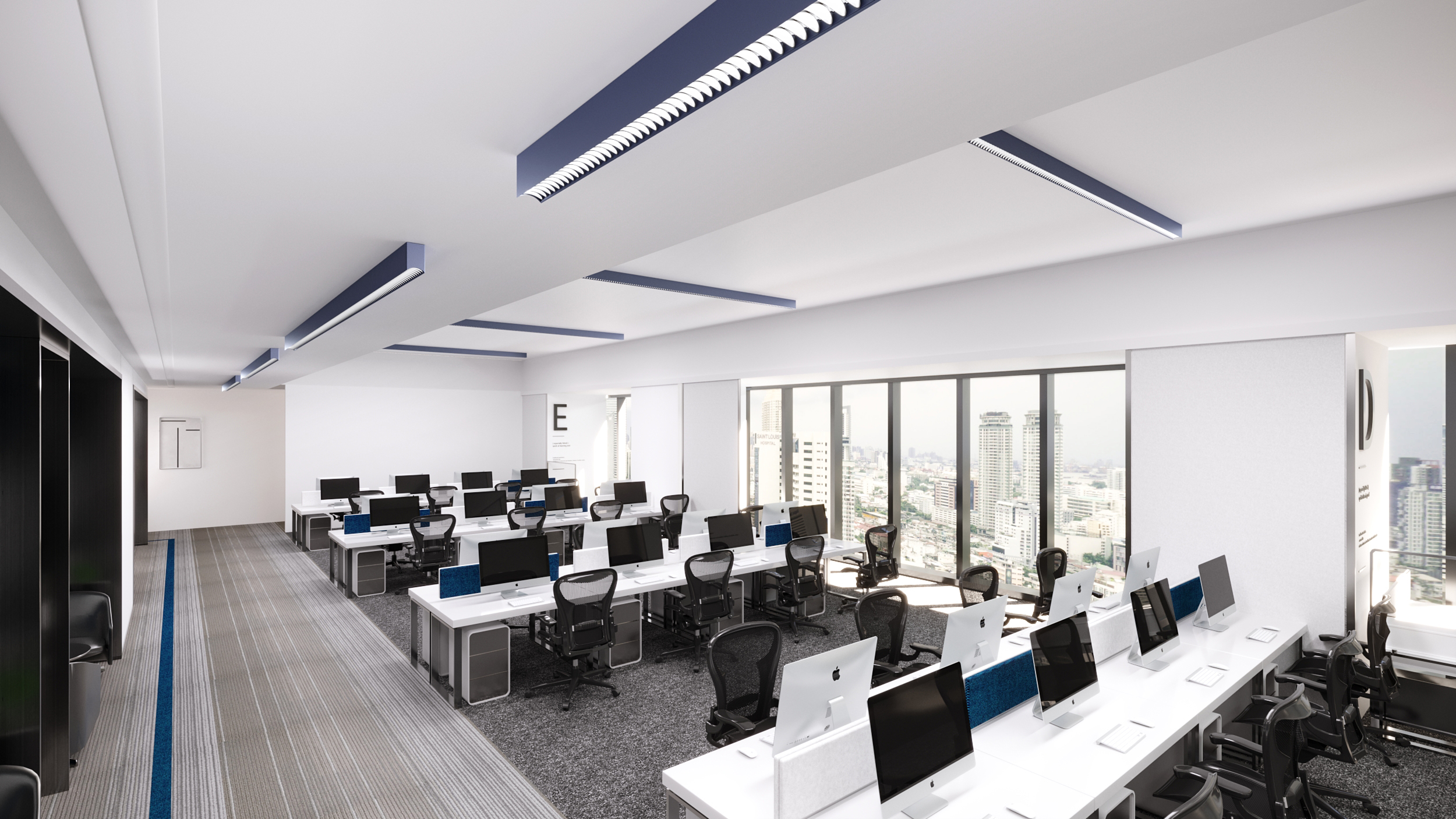
Office Environments:
Open Work Areas:
UGR ≤19, 3500K-5500K Range
(Visual Comfort and Daytime Task Support)
Conference Rooms:
3000K-5000K Range
(Flexible Scene Setting and User Preference)
Private Offices:
3000K-4500K Range
(Individual Control for Varied Tasks)
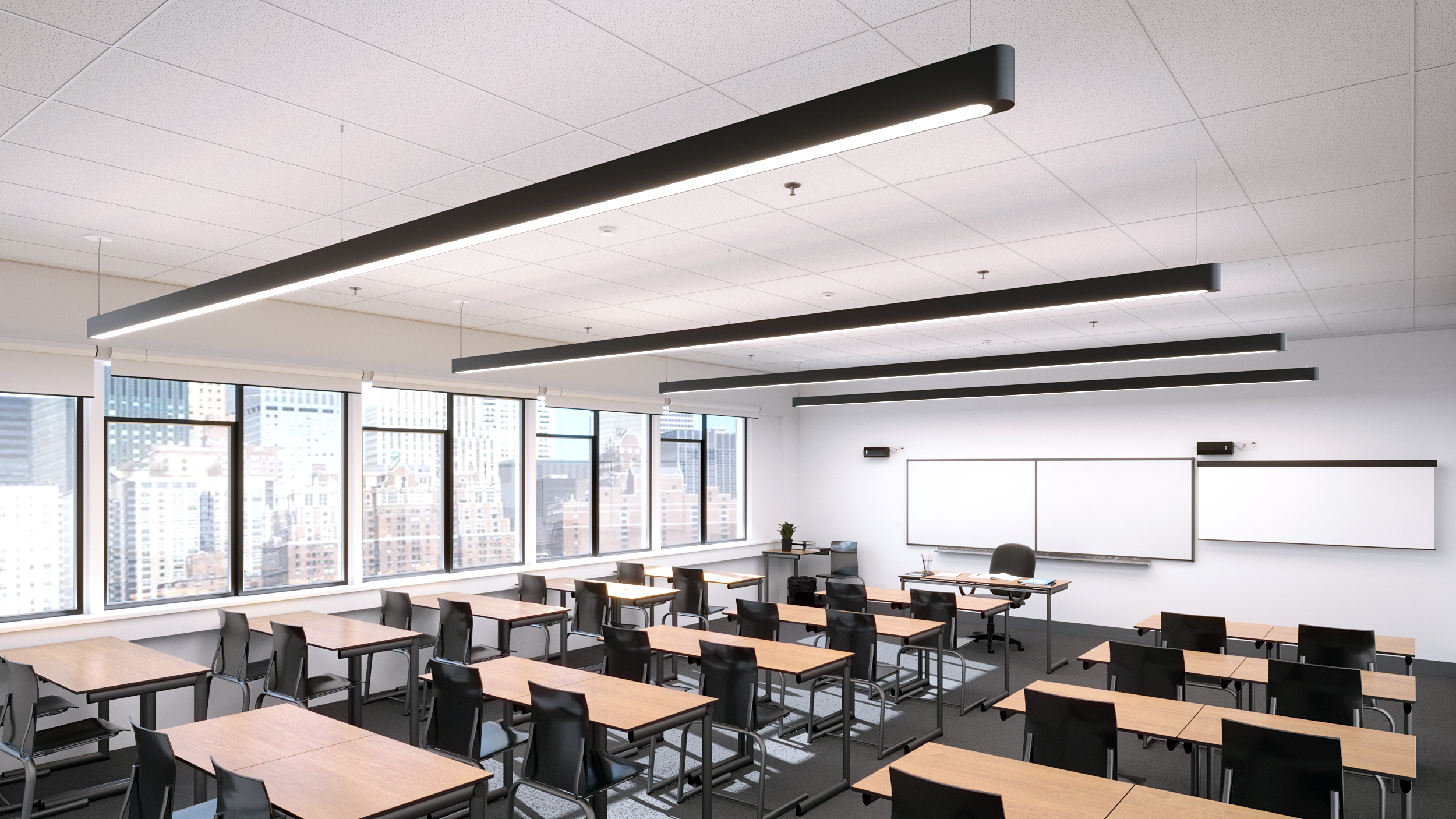
Educational Facilities:
Classrooms:
UGR ≤19, 3500K-6000K Range
(Daytime Alertness and Visual Support)
Libraries:
3000K-5000K Range
(Quiet Study and General-Use Flexibility)
Laboratories & Tech Hubs:
UGR ≤19, 4000K–6500K Range
(Task Visibility and Daytime Focus)
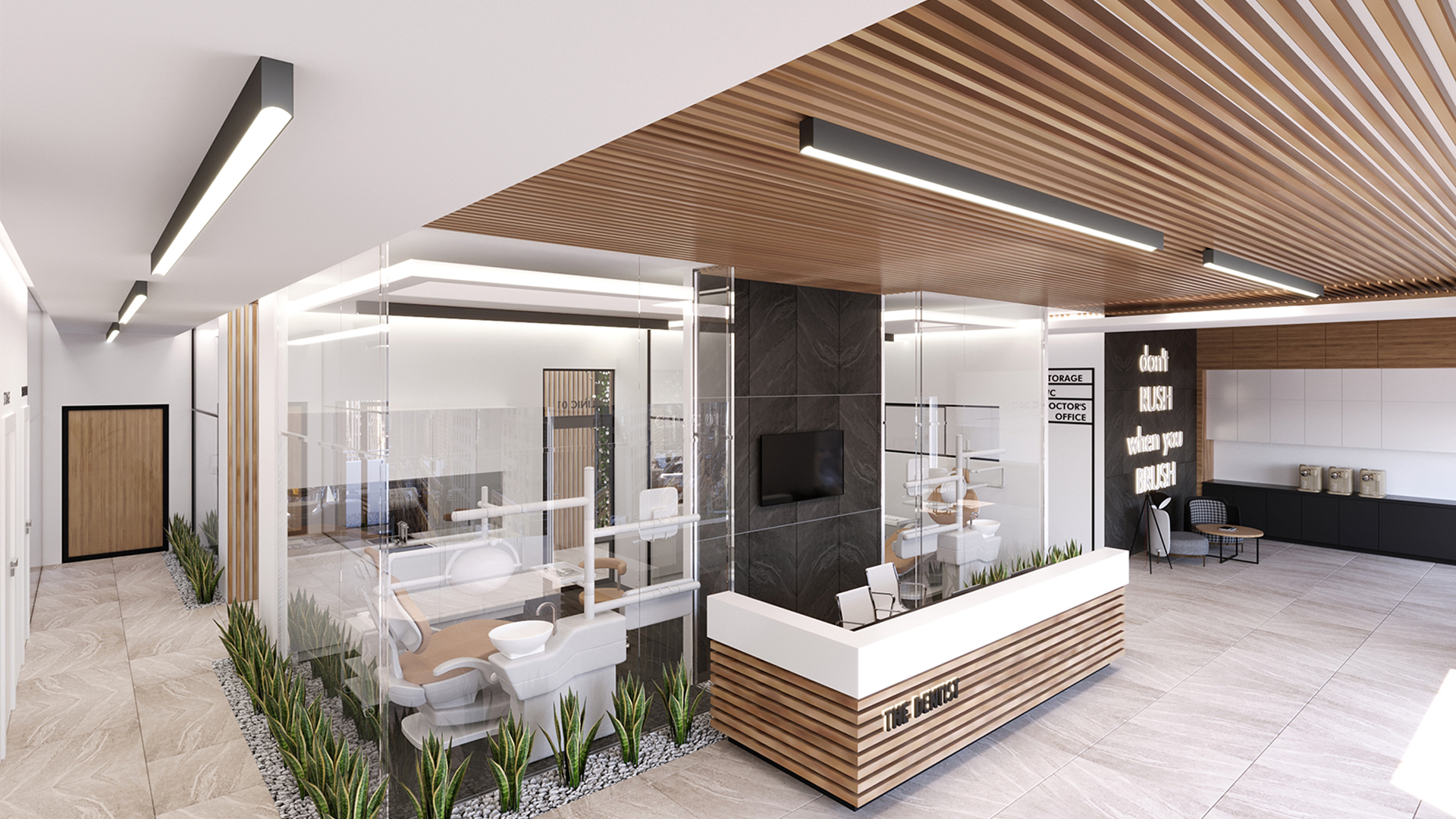
Healthcare Settings:
Patient Rooms:
UGR ≤19, 2700K-6500K Range
(Rest, Examination, and Time-Of-Day Adaptability)
ICU/Critical Care:
UGR≤16, 3000K-5000K Range
(Clinical Visibility With Controlled Visual Comfort)
Senior Living:
2700K-5000K Range
(Comfort, Orientation, and Time-Of-Day Support)
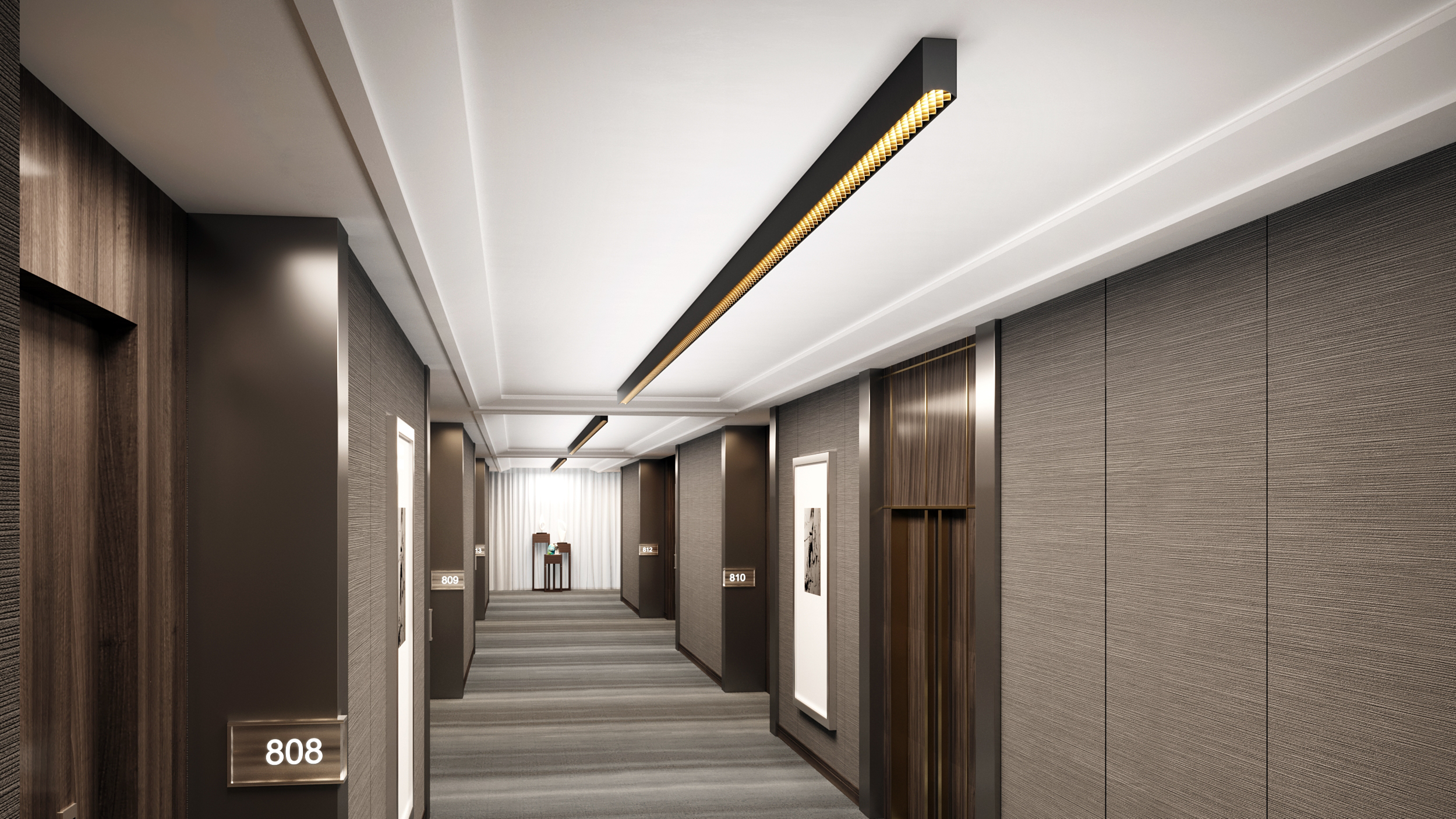
Hospitality / Residential:
Hotels:
2700K-4000K Range
(Guest Comfort and
Scene Flexibility)
Residential:
2700K-5000K Range
(Daily Living, Comfort, and User Preference)
Wellness & Spa Areas:
2200K–3500K Range
(Relaxation-Oriented
Ambiance)
Office Environments:
Open Work Areas:
UGR ≤19, 3500K-5500K Range (Visual Comfort and Daytime Task Support)
Conference Rooms:
3000K-5000K Range (Flexible Scene Setting and User Preference)
Private Offices:
3000K-4500K Range (Individual Control for Varied Tasks)
Healthcare Settings:
Patient Rooms:
UGR ≤19, 2700K-6500K Range (Rest, Examination, and Time-Of-Day Adaptability)
ICU/Critical Care:
UGR≤16, 3000K-5000K Range (Clinical Visibility With Controlled Visual Comfort)
Senior Living:
2700K-5000K Range (Comfort, Orientation, and Time-Of-Day Support)
Educational Facilities:
Classrooms:
UGR ≤19, 3500K-6000K Range (Daytime Alertness and Visual Support)
Libraries:
3000K-5000K Range (Quiet Study and General-Use Flexibility)
Laboratories & Tech Hubs:
UGR ≤19, 4000K–6500K Range (Task Visibility and Daytime Focus)
Retail Spaces:
Hotels:
2700K-4000K Range (Guest Comfort and Scene Flexibility)
Residential:
2700K-5000K Range (Daily Living, Comfort, and User Preference)
Wellness & Spa Areas:
2200K–3500K Range (Relaxation-Oriented Ambiance)
Office Environments:
Open Work Areas:
UGR ≤19, 3500K-5500K Range (Visual Comfort and Daytime Task Support)
Conference Rooms:
3000K-5000K Range (Flexible Scene Setting and User Preference)
Private Offices:
3000K-4500K Range (Individual Control for Varied Tasks)
Healthcare Settings:
Patient Rooms:
UGR ≤19, 2700K-6500K Range (Rest, Examination, and Time-Of-Day Adaptability)
ICU/Critical Care:
UGR≤16, 3000K-5000K Range (Clinical Visibility With Controlled Visual Comfort)
Senior Living:
2700K-5000K Range (Comfort, Orientation, and Time-Of-Day Support)
Educational Facilities:
Classrooms:
UGR ≤19, 3500K-6000K Range (Daytime Alertness and Visual Support)
Libraries:
3000K-5000K Range
(Quiet Study and General-Use Flexibility)
Laboratories & Tech Hubs:
UGR ≤19, 4000K–6500K Range (Task Visibility and Daytime Focus)
Retail Spaces:
Hotels:
2700K-4000K Range
(Guest Comfort and Scene Flexibility)
Residential:
2700K-5000K Range
(Daily Living, Comfort, and User Preference)
Wellness & Spa Areas:
2200K–3500K Range
(Relaxation-Oriented
Ambiance)
Office Environments:
Open Work Areas:
UGR ≤19, 3500K-5500K Range
(Visual Comfort and Daytime Task Support)
Conference Rooms:
3000K-5000K Range
(Flexible Scene Setting and User Preference)
Private Offices:
3000K-4500K Range
(Individual Control for Varied Tasks)
Educational Facilities:
Classrooms:
UGR ≤19, 3500K-6000K Range
(Daytime Alertness and Visual Support)
Libraries:
3000K-5000K Range
(Quiet Study and General-Use Flexibility)
Laboratories & Tech Hubs:
UGR ≤19, 4000K–6500K Range
(Task Visibility and Daytime Focus)
Healthcare Settings:
Patient Rooms:
UGR ≤19, 2700K-6500K Range
(Rest, Examination, and Time-Of-Day Adaptability)
ICU/Critical Care:
UGR≤16, 3000K-5000K Range
(Clinical Visibility With Controlled Visual Comfort)
Senior Living:
2700K-5000K Range
(Comfort, Orientation, and Time-Of-Day Support)
Hospitality/Residential:
Hotels:
2700K-4000K Range
(Guest Comfort and Scene Flexibility)
Residential:
2700K-5000K Range
(Daily Living, Comfort, and User Preference)
Wellness & Spa Areas:
2200K–3500K Range
(Relaxation-Oriented Ambiance)
Limitations and Considerations
Here are some of the limitations of Tunable White technology:
Initial Cost Premium:
Tunable White systems typically carry an upfront premium over comparable fixed-CCT solutions because they require additional LED channels, more advanced drivers, and a more capable controls strategy.
Control Complexity:
Implementing effective tunable white solutions requires more sophisticated programming and user interfaces than traditional lighting, with user confusion or abandonment a common outcome for poorly designed products.
Exposure Impacts Wellbeing:
Simply installing tunable white fixtures does not guarantee circadian benefits as it requires Adequate melanopic lux levels, proper timing, and sufficient exposure duration.
Individual Variability:
Circadian sensitivity varies significantly among individuals based on age, genetics, and other factors, meaning a single automated schedule may not be optimal for all occupants.
Color Quality Maintenance:
Maintaining consistent color rendering and CCT accuracy across the tuning range requires quality LED binning and thermal management color shifts or inconsistent output are possible.
Future of Tunable White Technology
As lighting technology continues advancing towards more human-centric models, Tunable White is becoming an increasingly vital technology to build and grow:

Integration With Circadian Metrics
Advanced lighting design software increasingly incorporates melanopic calculations and circadian effectiveness modeling, enabling designers to predict and optimize biological impacts during the design phase.

AI and Personalization
Emerging systems use AI to learn individual preferences and optimize lighting schedules based on occupancy patterns, task detection, and even physiological feedback from wearable devices.

Spectral Tuning Beyond CCT
Next-generation systems may provide full-spectrum tuning capabilities, enabling independent control of specific wavelengths for optimized color rendering, circadian effectiveness, and energy efficiency simultaneously.

Health Monitoring Integration
Research explores using lighting systems as health monitoring platforms, detecting changes in activity patterns, sleep-wake cycles, or circadian phase that might indicate health concerns.

Standardization and Simplification
Industry efforts toward standardized control protocols, pre-configured circadian schedules, and simplified user interfaces will make tunable white technology more accessible and easier to implement correctly.
Conclusion
Tunable White technology is more than a design trend; it is a vital tool for creating responsive, healthy, and beautiful environments. By aligning artificial light with our biological needs and providing unprecedented flexibility, tunable white solutions create environments that adapt to users rather than requiring users to adapt to their environment. By bridging the gap between artificial light and the natural world, it empowers designers to prioritize the human experience.
The convergence of LED technology, advanced controls, and circadian science has made it possible to design lighting that serves both visual and non-visual needs with precision and efficiency. As we continue to spend the majority of our time indoors, the ability to "bring the sun inside" through Tunable White will remain a key component of modern architectural excellence. The future of lighting is not just about seeing; it is about supporting the complex biological and psychological processes that make us human.
Conclusion
Tunable White technology is more than a design trend; it is a vital tool for creating responsive, healthy, and beautiful environments. By aligning artificial light with our biological needs and providing unprecedented flexibility, tunable white solutions create environments that adapt to users rather than requiring users to adapt to their environment. By bridging the gap between artificial light and the natural world, it empowers designers to prioritize the human experience.
The convergence of LED technology, advanced controls, and circadian science has made it possible to design lighting that serves both visual and non-visual needs with precision and efficiency. As we continue to spend the majority of our time indoors, the ability to "bring the sun inside" through Tunable White will remain a key component of modern architectural excellence. The future of lighting is not just about seeing; it is about supporting the complex biological and psychological processes that make us human.
Gallery
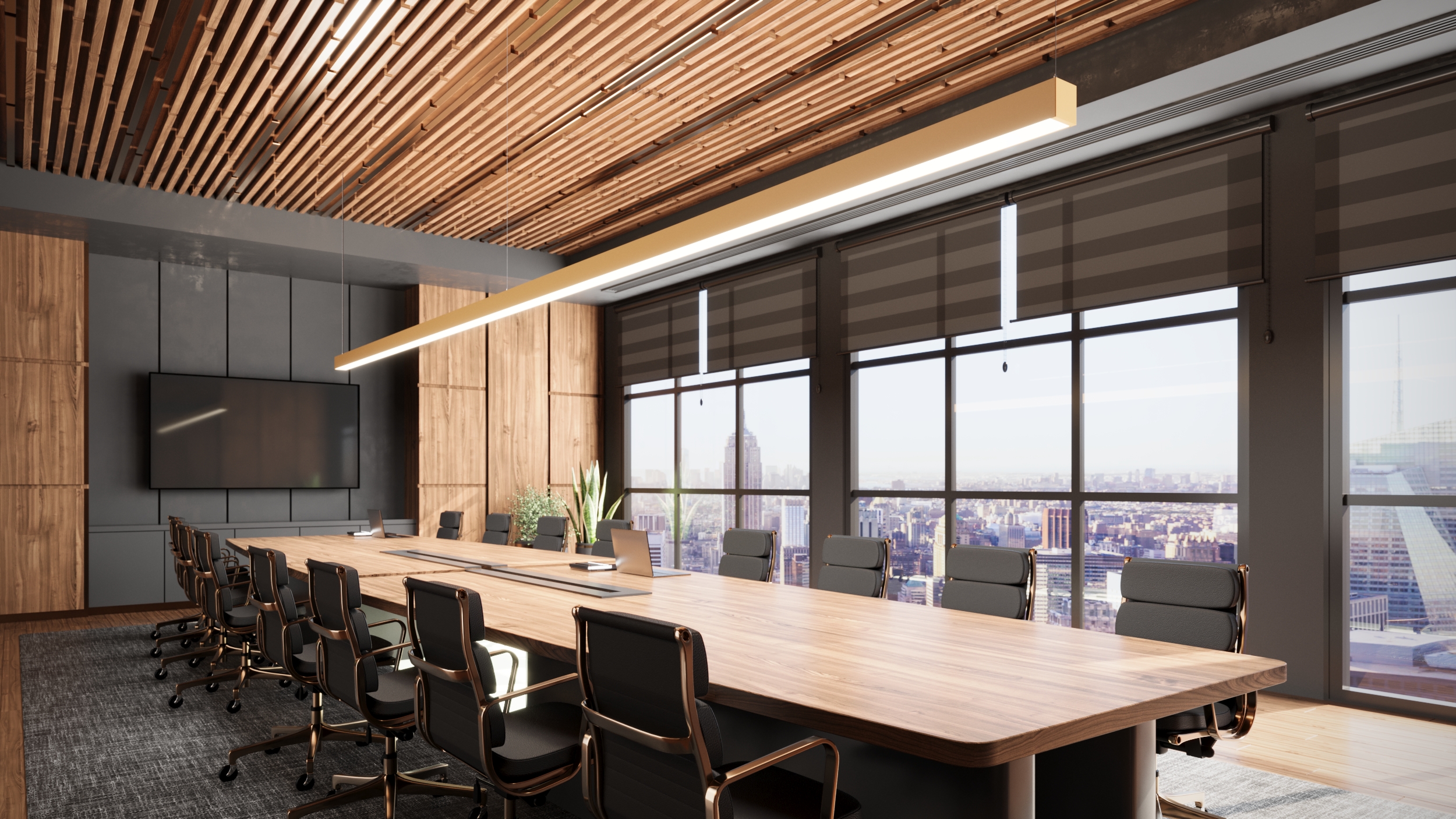
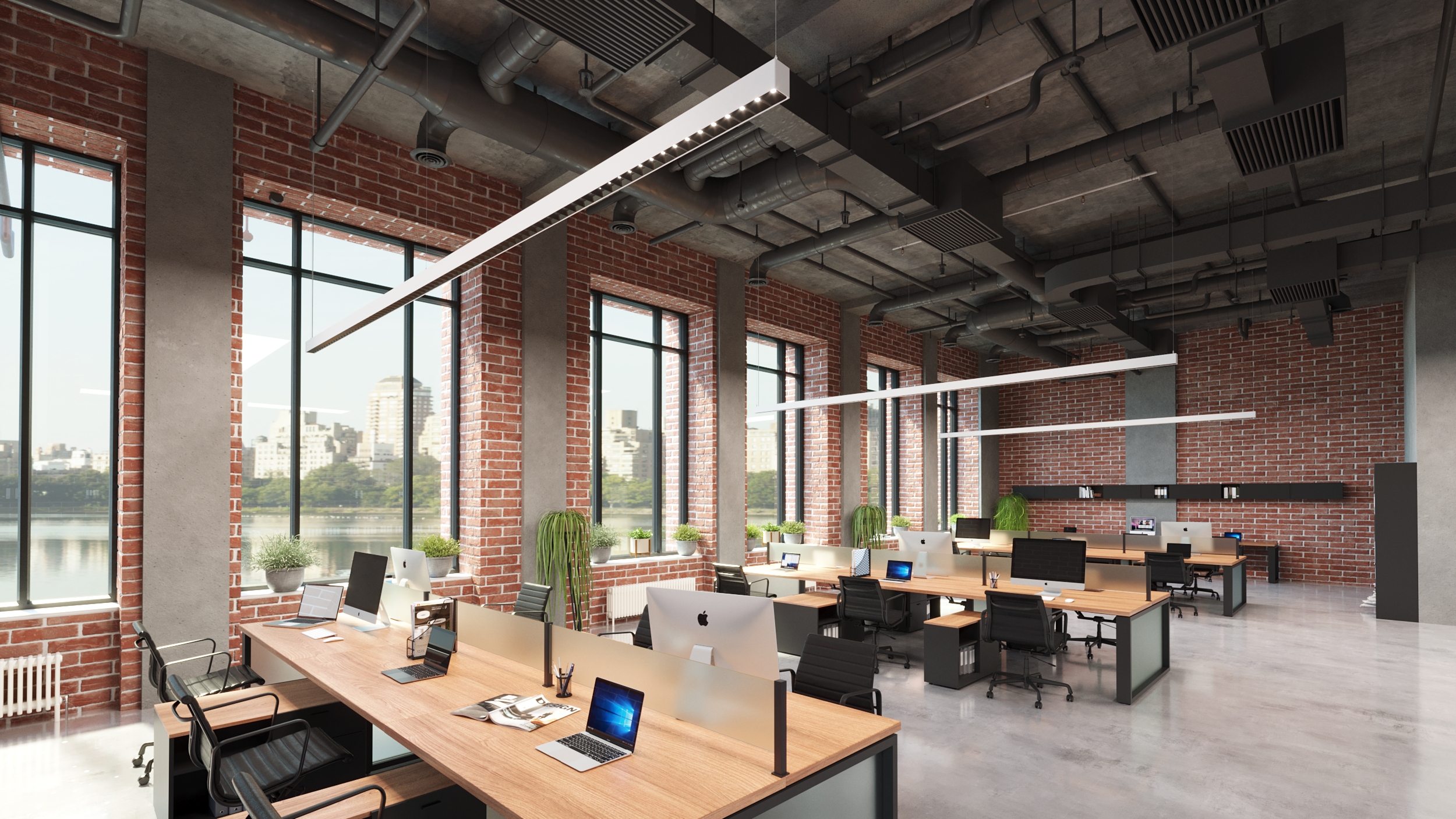
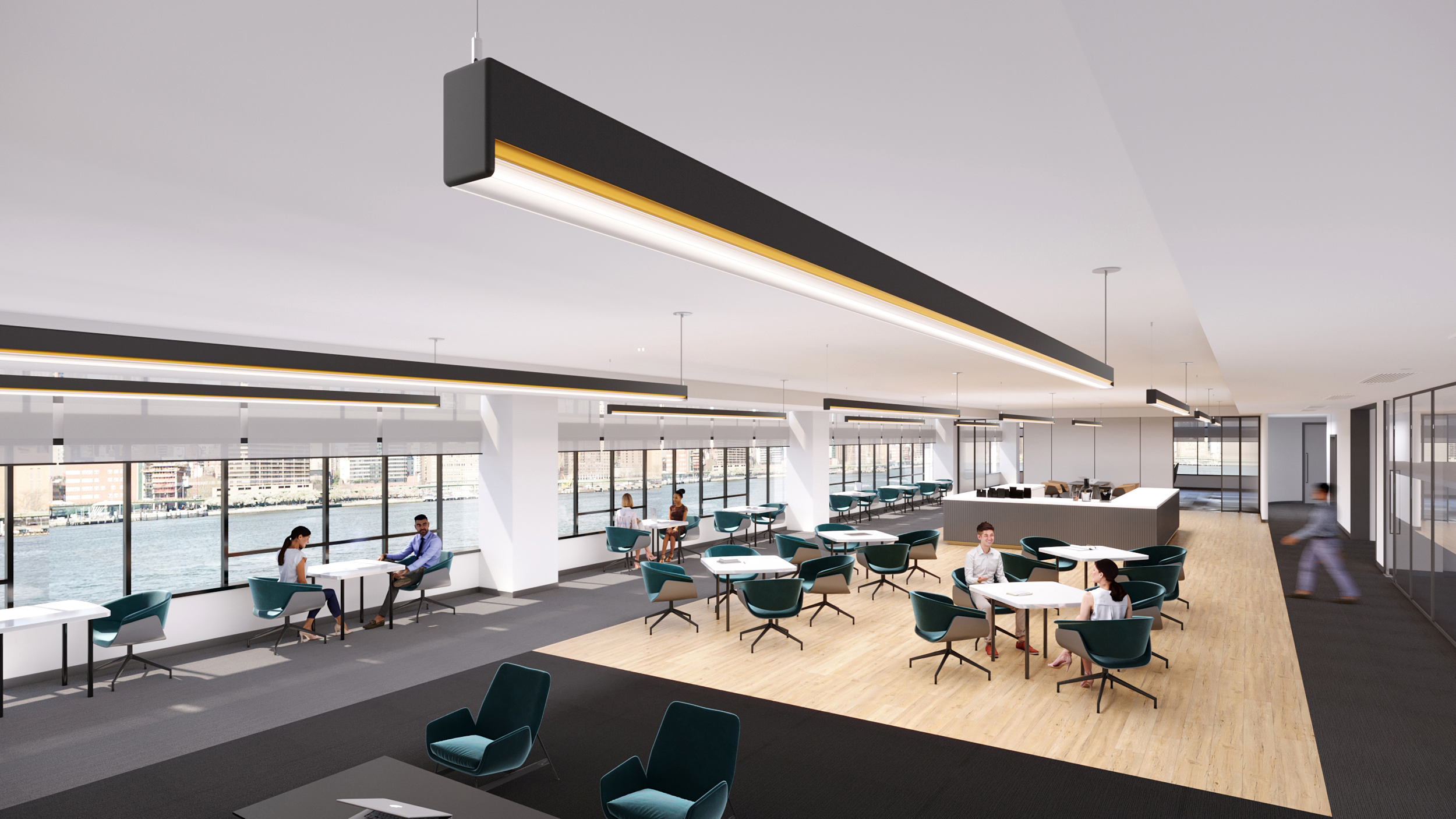

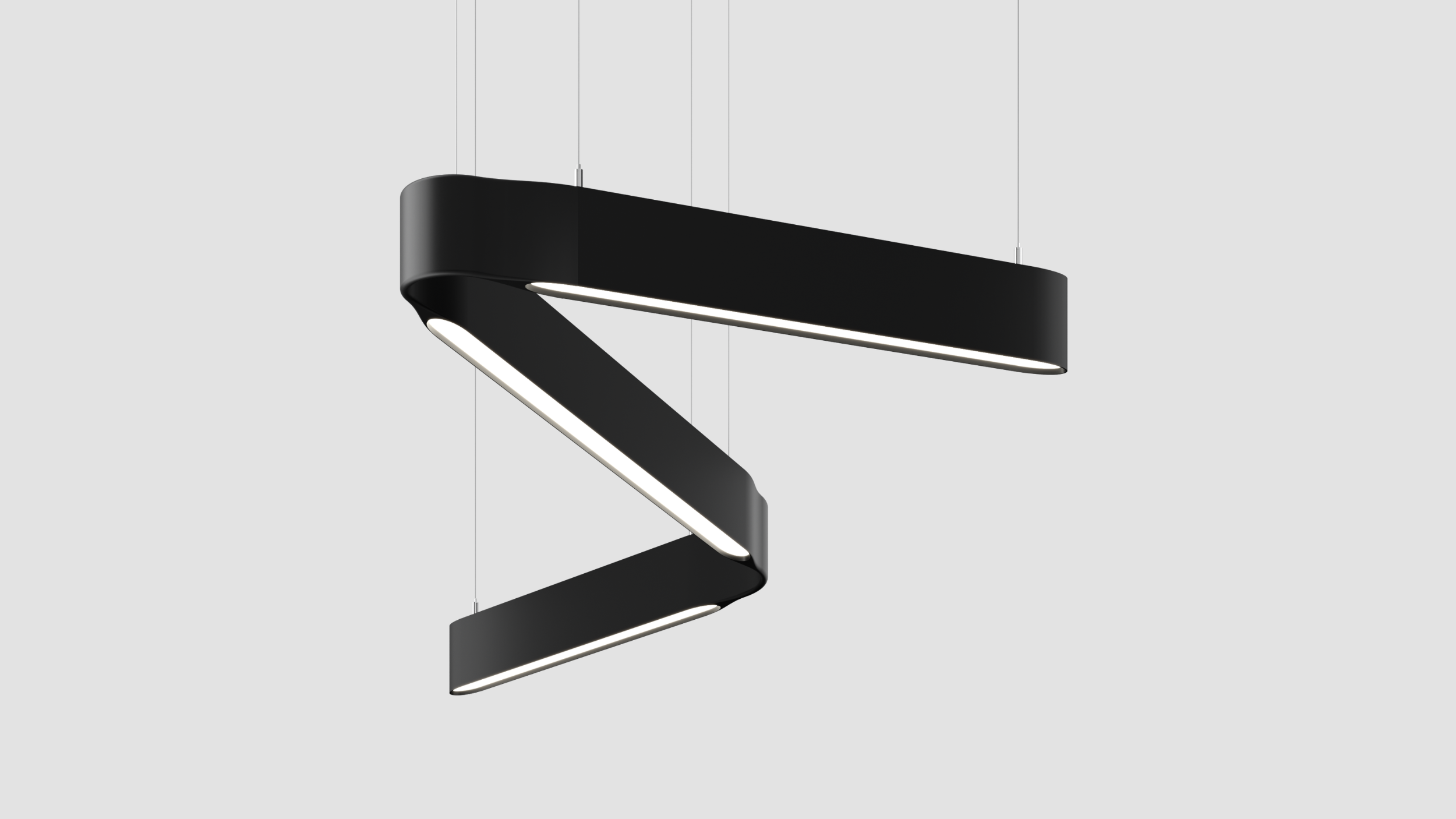
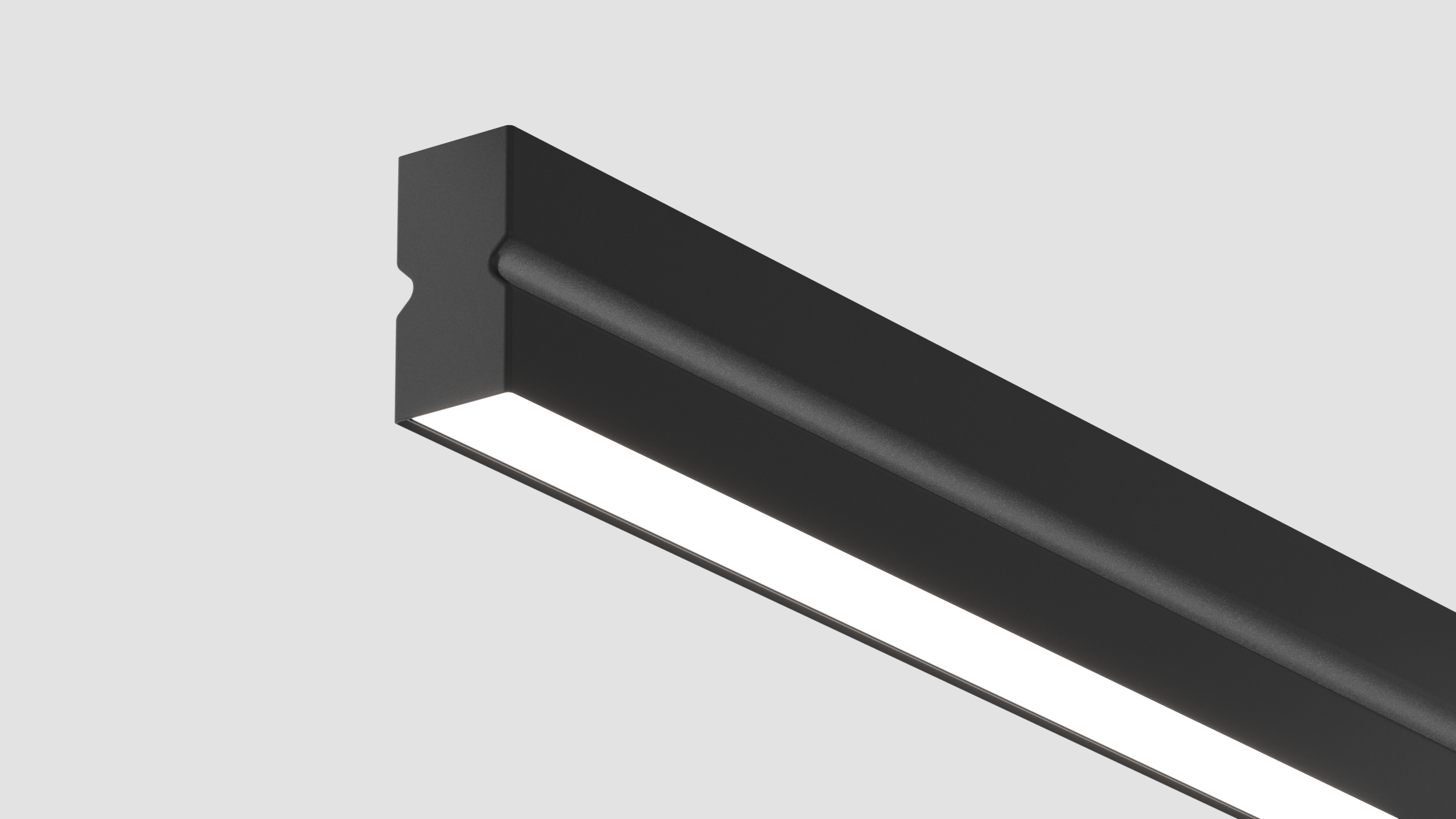
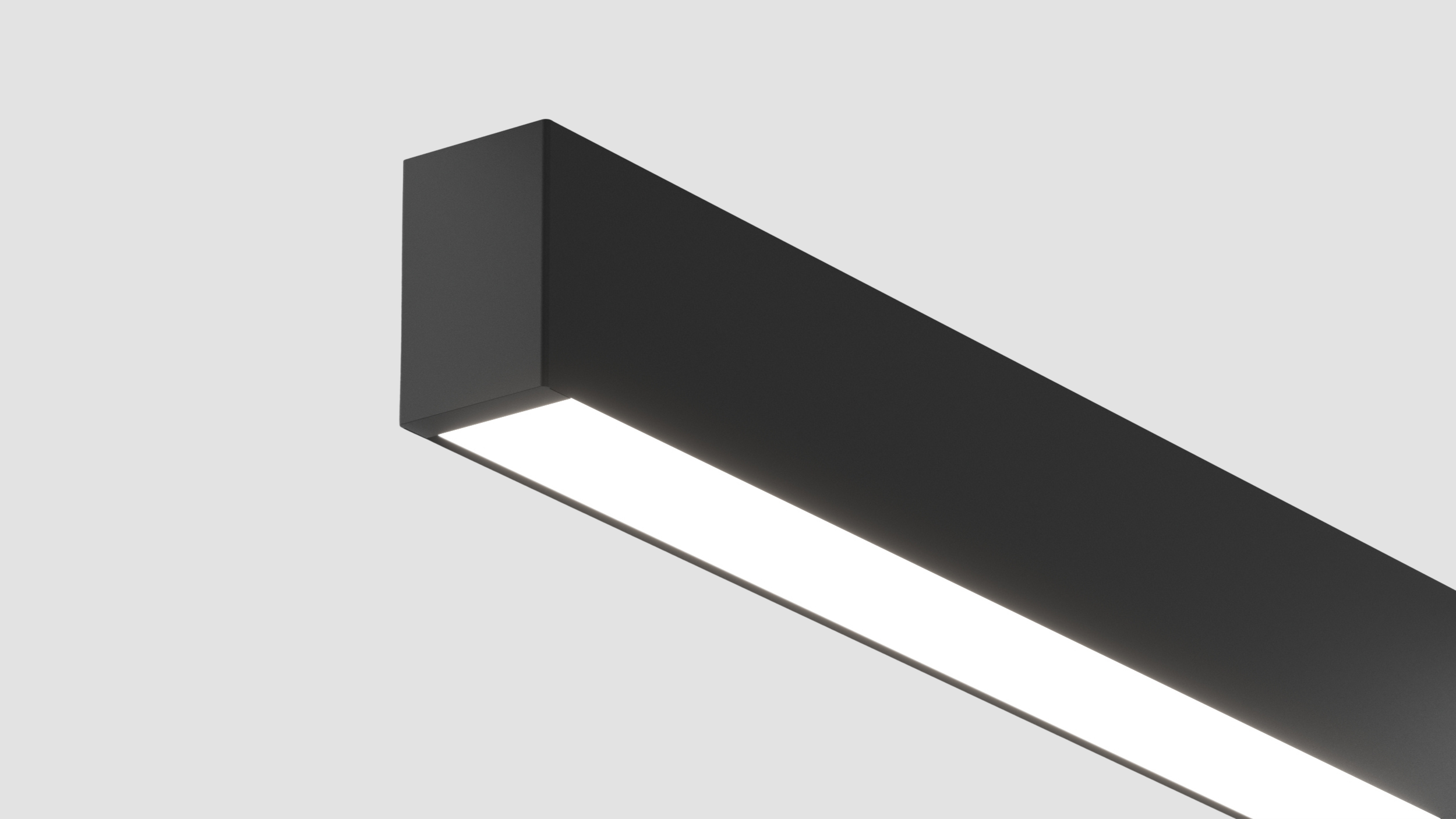
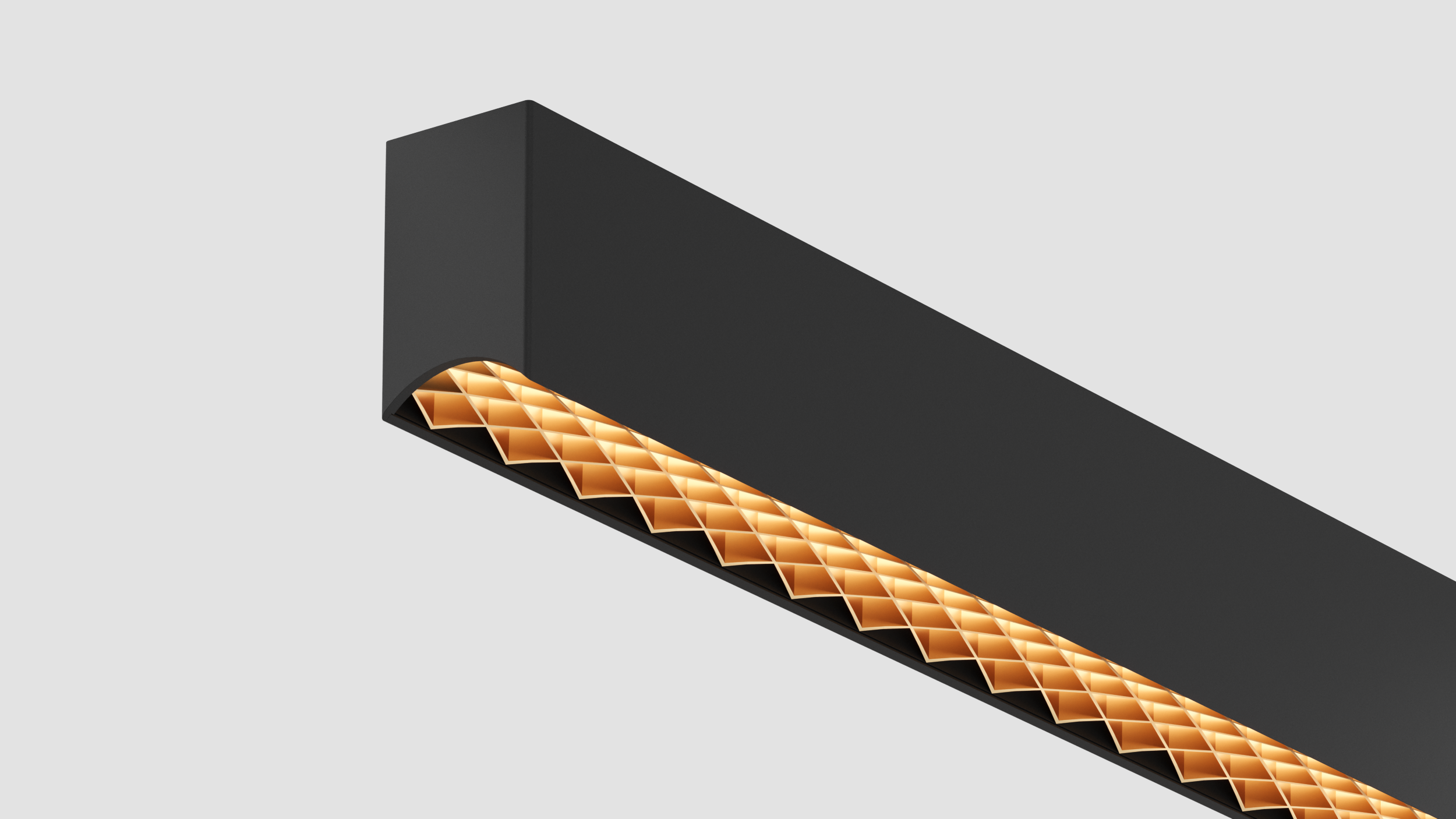
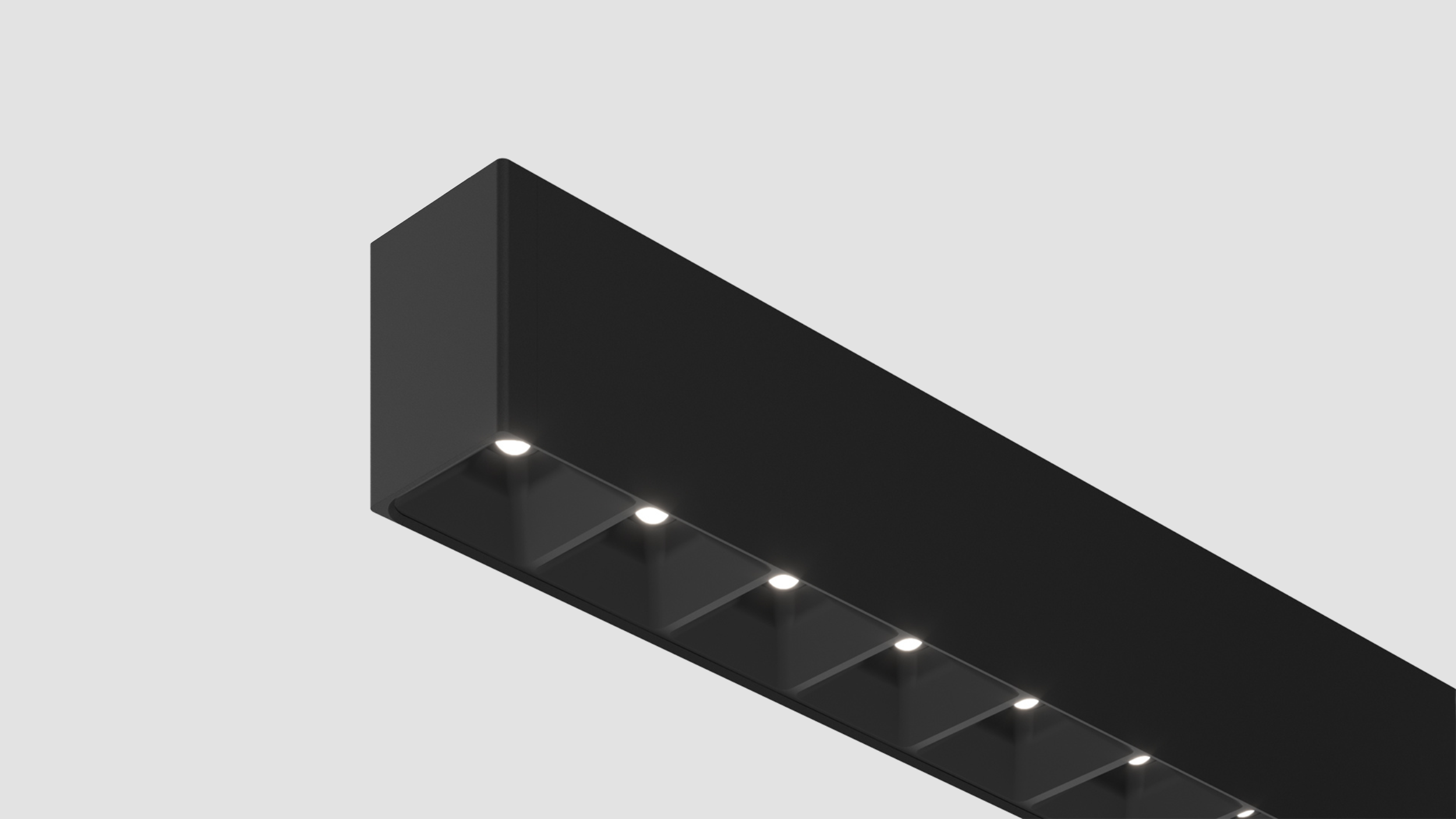
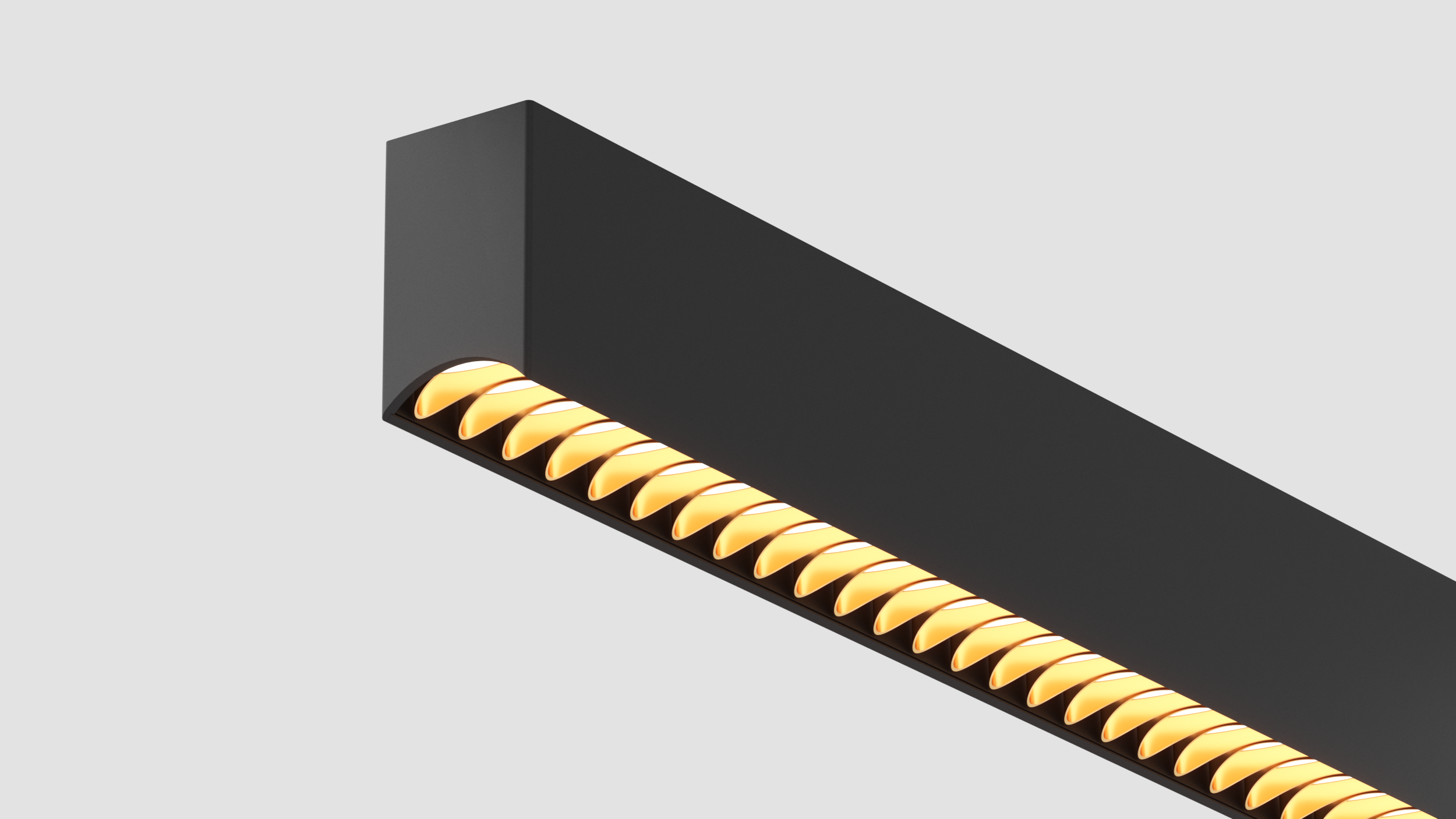
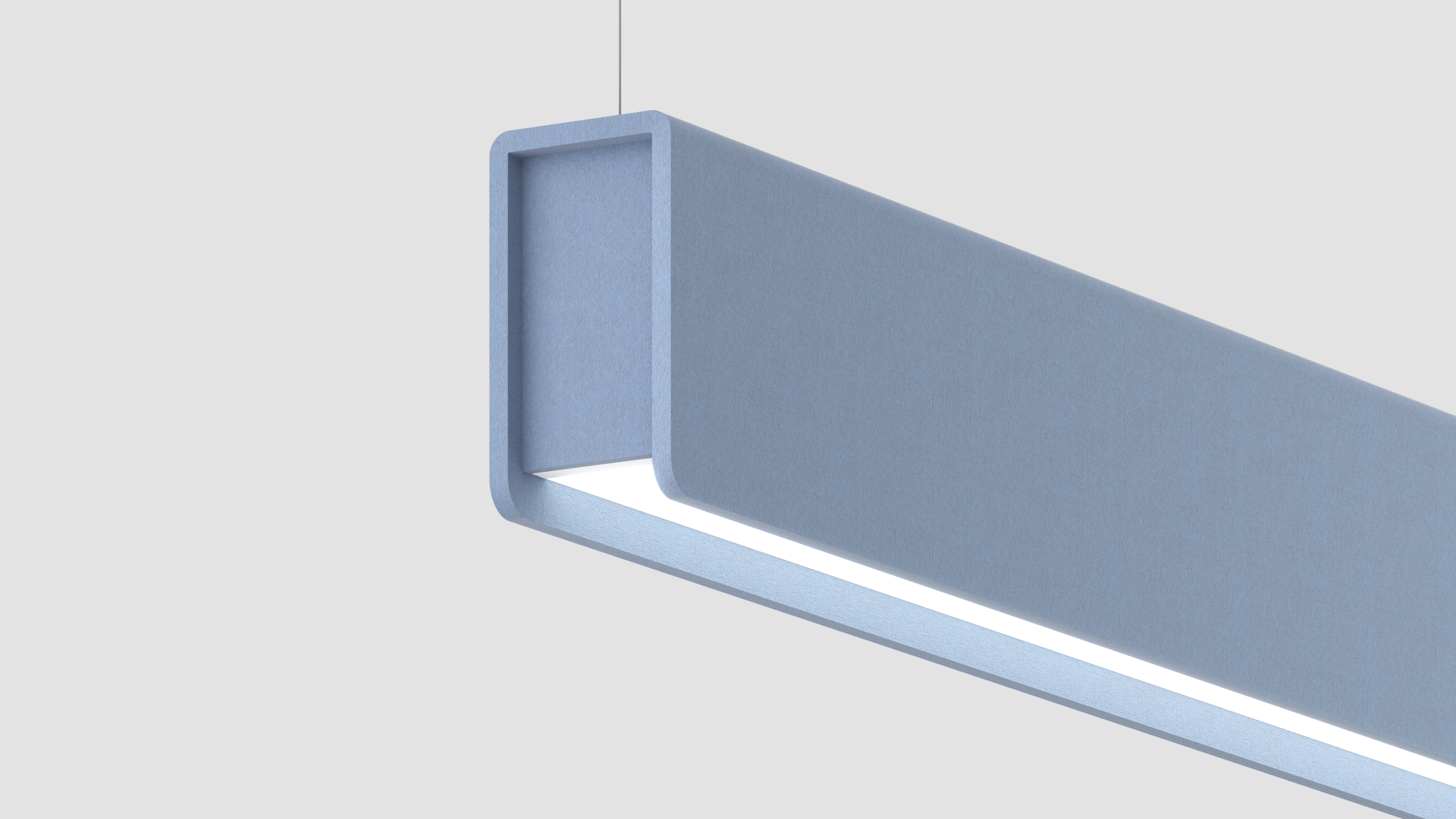
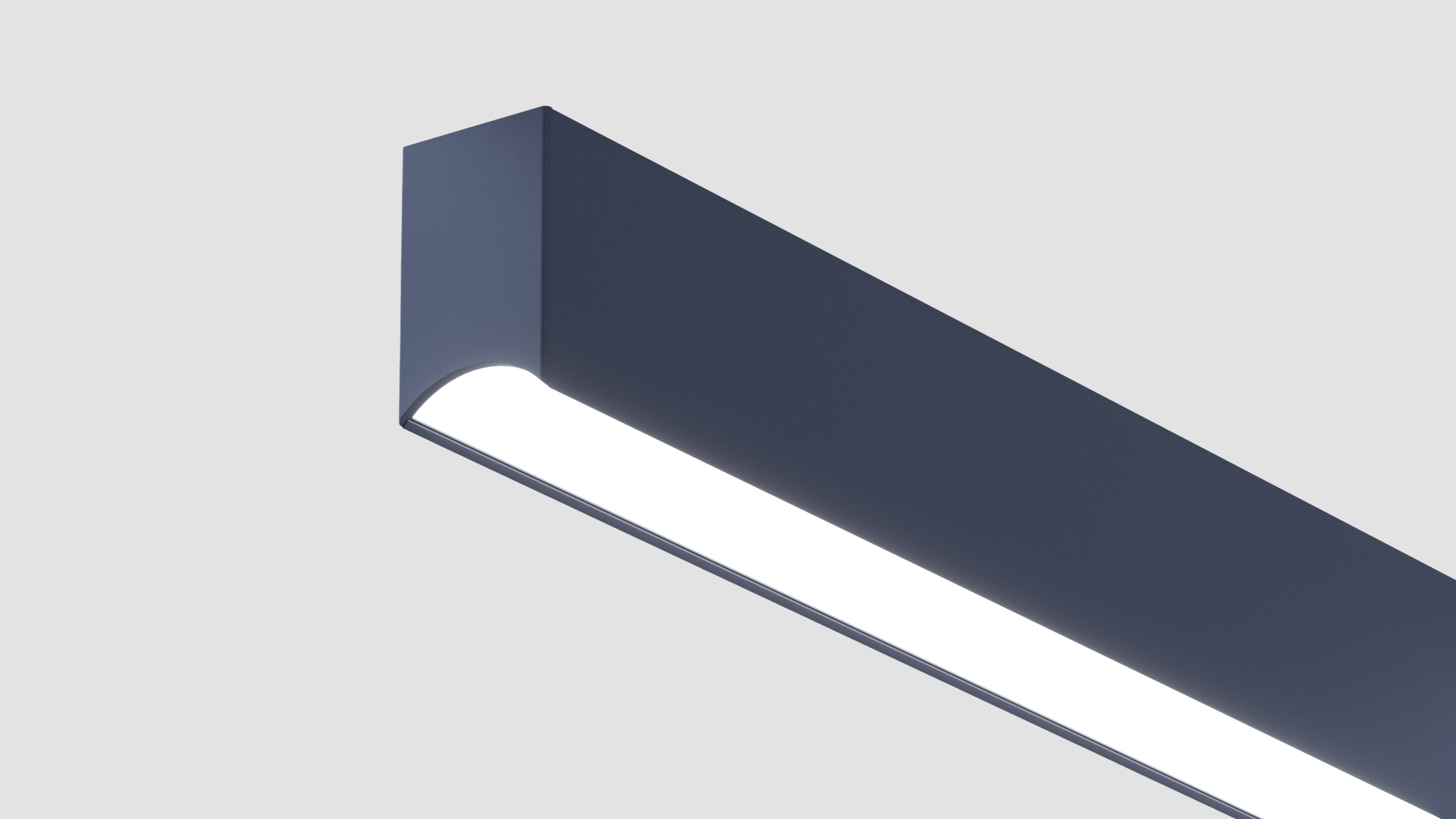
Experience Adaptive Illumination: Beta-Calco’s Tunable White Products