Unified Glare Rating (UGR)
Beyond Brightness
Introduction
With visual comfort becoming a cornerstone of modern architectural lighting design, the industry’s focus has shifted from simple illumination to creating environments that enhance well-being and productivity. A critical yet often overlooked component of lighting quality is glare control. Poor glare management can cause discomfort, eye strain, headaches, and reduced concentration, underscoring the importance of effectively measuring and addressing this issue. The Unified Glare Rating (UGR) system offers a standardized method to measure, evaluate, and mitigate discomfort glare in interior lighting installations, ensuring spaces are not only bright but also visually comfortable. It does so by quantifying the relationship between luminaire brightness, background luminance, and viewing angles—factors essential to achieving both visual performance and occupant well-being.
As workplaces evolve to include more visually demanding tasks and extended screen time, understanding and applying lighting solutions with comfortable UGR values has never been more essential. This whitepaper examines the fundamentals of UGR, its significance in lighting design, practical applications in contemporary environments, and its contribution to creating comfortable, productive spaces that prioritize the human experience.
| UGR Value | Comfort Level/Glare Perception | Typical Applications |
|---|---|---|
| ≤ 16 | Excellent/Imperceptible | Technical Drawing, Detailed Inspection, CAD Workstations, Precision Tasks, Medical Facilities |
| ≤ 19 | Good/Slightly Perceptible | Offices, Reading, Writing, Classrooms, Computer Work |
| ≤ 22 | Acceptable/Perceptible | Reception Areas, General Industry, Craft Work, General Office Areas, Retail |
| ≤ 25 | Moderate/Mildly Uncomfortable | Lobbies, Corridors, Stairs, Heavy Industry, Occupied Storage Areas |
| > 25 | Poor/Intolerable | Acceptable in Warehouses/Storage Rooms (Avoidable in Occupied Spaces) |
What Is Unified Glare Rating (UGR)?
The Unified Glare Rating (UGR) is an internationally recognized metric developed by the International Commission on Illumination (CIE) to quantify discomfort glare in interior lighting installations. Rather than being an inherent property of a single luminaire, it is a calculated value based on a specific lighting installation from a standard observer’s viewpoint.
The UGR scale typically ranges from 10 (imperceptible glare) to 31 (intolerable glare), with lower values indicating greater visual comfort. The UGR Tables from the DesignLights Consortium (DLC) can have values between 5-40, with some Beta-Calco fixtures like the BOGGLE and LE LOUVRE with specific configurations able to go below a value of 10 from the tables. The calculation accounts for several factors that influence glare perception, including the luminance of light sources, their size and position relative to the observer, and the background luminance of the surrounding environment. This comprehensive approach allows for accurate prediction of glare levels in a given lighting setup, supports assessment of real-world visual comfort, and ensures that lighting configurations meet established comfort standards.
This empowers lighting designers to make informed decisions on fixture selection, placement, and optical control, resulting in optimized environments for specialized requirements. For instance, office settings require UGR levels below 19, while general areas may allow values up to 25.
What is Unified Glare Rating (UGR)?
The Unified Glare Rating (UGR) is an internationally recognized metric developed by the International Commission on Illumination (CIE) to quantify discomfort glare in interior lighting installations. Rather than being an inherent property of a single luminaire, it is a calculated value based on a specific lighting installation from a standard observer’s viewpoint.
The UGR scale typically ranges from 10 (imperceptible glare) to 31 (intolerable glare), with lower values indicating greater visual comfort. The UGR Tables from the DesignLights Consortium (DLC) can have values between 5-40, with some Beta-Calco fixtures like the BOGGLE and LE LOUVRE with specific configurations able to go below a value of 10 from the tables. The calculation accounts for several factors that influence glare perception, including the luminance of light sources, their size and position relative to the observer, and the background luminance of the surrounding environment. This comprehensive approach allows for accurate prediction of glare levels in a given lighting setup, supports assessment of real-world visual comfort, and ensures that lighting configurations meet established comfort standards.
This empowers lighting designers to make informed decisions on fixture selection, placement, and optical control, resulting in optimized environments for specialized requirements. For instance, office settings require UGR levels below 19, while general areas may allow values up to 25.
| UGR Value | Comfort Level/Glare Perception | Typical Applications |
|---|---|---|
| ≤ 16 | Excellent/Imperceptible | Technical Drawing, Detailed Inspection, CAD Workstations, Precision Tasks, Medical Facilities |
| ≤ 19 | Good/Slightly Perceptible | Offices, Reading, Writing, Classrooms, Computer Work |
| ≤ 22 | Acceptable/Perceptible | Reception Areas, General Industry, Craft Work, General Office Areas, Retail |
| ≤ 25 | Moderate/Mildly Uncomfortable | Lobbies, Corridors, Stairs, Heavy Industry, Occupied Storage Areas |
| > 25 | Poor/Intolerable | Acceptable in Warehouses/Storage Rooms but generally avoided in Occupied Spaces |
How Is UGR Calculated?
The UGR value is determined by a complex formula that considers several environmental factors. The key variables are:
- Lb = Background Luminance (cd/m²) - The brightness of the surrounding surfaces, such as walls and ceilings (affected by the room dimensions and reflective properties of the room surfaces)
- L = Luminance of the Glare Source (cd/m²) - The brightness of the light source as perceived by the eye (determined by the luminaire type, intensity, and photometric distribution)
- ω = Solid Angle Subtended by the Source (Steradians) - Solid angle of each luminaire as seen from the observer, i.e. how “big” it looks (determined by luminaire size, position, and observer geometry).
- P = Guth Position Index - Position index related to the source's position (determined by observer’s position and viewing angle, i.e. location and line of sight of the observer in the space.

Since UGR depends on the overall environment, an individual fixture does not have a fixed or intrinsic UGR value. Instead, most manufacturers provide tables showing a range of values based on different room configurations to help estimate glare levels for specific applications.
The UGR value is determined by a complex formula that considers several environmental factors. The key variables are:
- Lb = Background Luminance (cd/m2) - The brightness of the surrounding surfaces, such as walls and ceilings (affected by the room dimensions and reflective properties of the room surfaces)
- L = Luminance of the glare source (cd/m²) - The brightness of the light source as perceived by the eye (determined by the luminaire type, intensity, and photometric distribution)
- ω = Solid angle subtended by the source (steradians) - Solid angle of each luminaire as seen from the observer, i.e. how “big” it looks (determined by luminaire size, position, and observer geometry).
- P = Guth position index - Position index related to the source's position (determined by observer’s position and viewing angle, i.e. location and line of sight of the observer in the space.
Since UGR depends on the overall environment, an individual fixture does not have a fixed or intrinsic UGR value. Instead, most manufacturers provide tables showing a range of values based on different room configurations to help estimate glare levels for specific applications.
Why Is UGR Important in Modern Lighting?
Controlling glare is essential for creating functional and comfortable spaces. The key benefits of designing with UGR in mind include:

Enhanced Visual Comfort and Productivity:
Excessive glare causes visual fatigue, reduces concentration, and can lead to headaches and eye strain. Low-glare environments help prevent these effects, making spaces more comfortable for occupants, especially during prolonged or visually demanding tasks.

Screen-Based Work Considerations:
With computer use now common across nearly all industries, UGR control has become increasingly critical. Glare from overhead lighting can cause screen reflections, forcing users to adjust posture or lower screen brightness.

Regulatory Compliance and Improved Safety:
Many lighting standards, such as EN 12464-1 for indoor workplaces, define maximum UGR limits for specific tasks and areas. Adhering to these standards enhances occupant safety and ensures visual clarity of potential hazards.

Improved Energy Efficiency:
Achieving low UGR values often involves optical systems that enhance both visual comfort and energy performance. Well-designed luminaires with effective shielding can reduce glare while improving overall efficiency.
International Standards
CIE 117:1995
Discomfort Glare in Interior Lighting: The foundational standard establishing UGR methodology and calculation procedures.
EN 12464-1:2011
Light and Lighting - Lighting of Work Places - Part 1: Indoor Work Places European standard specifying UGR requirements for various interior applications.
IESNA Standards
North American guidelines providing UGR recommendations aligned with regional practices and preferences.
Application-Specific UGR Values (Ideal)
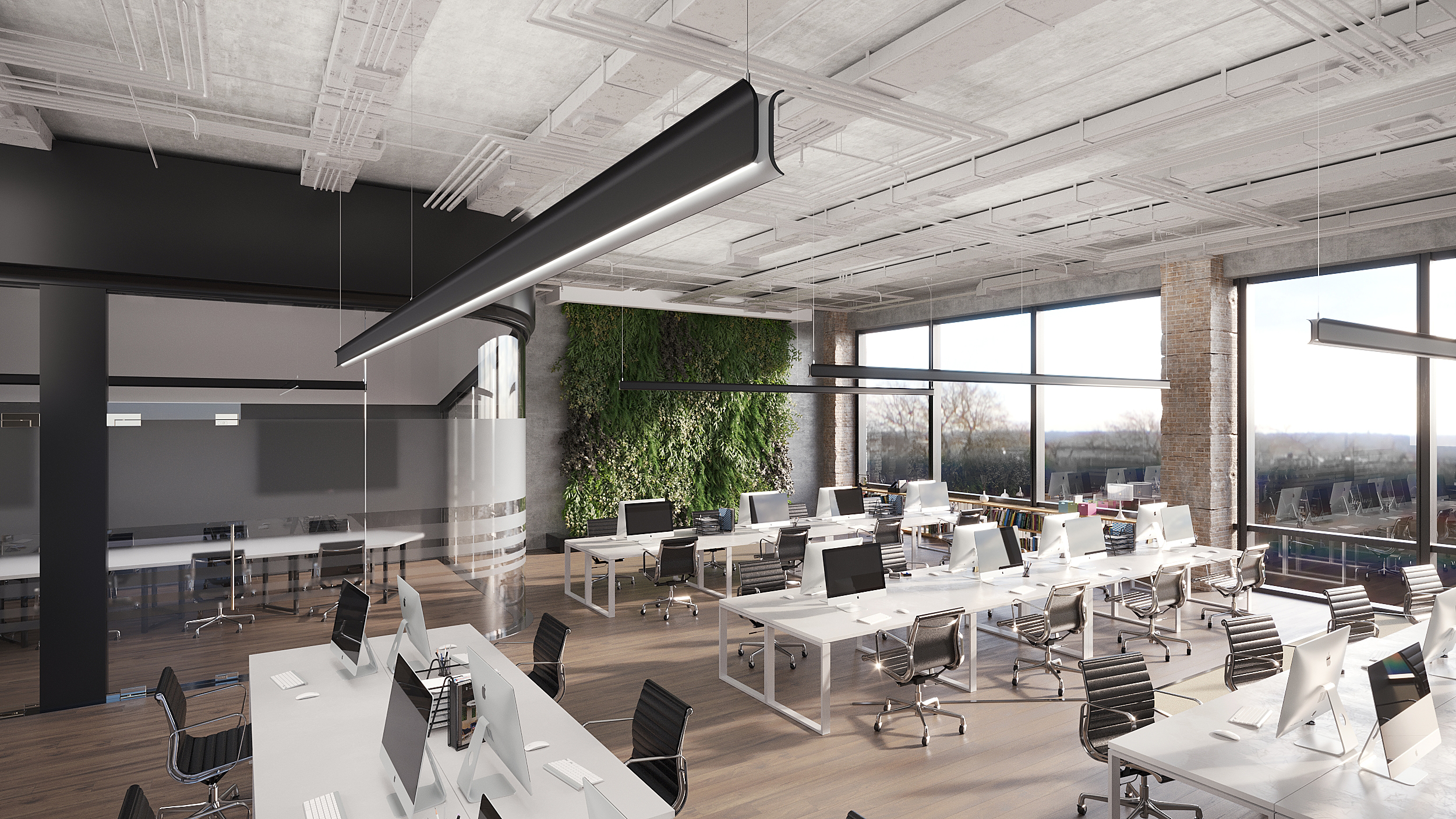
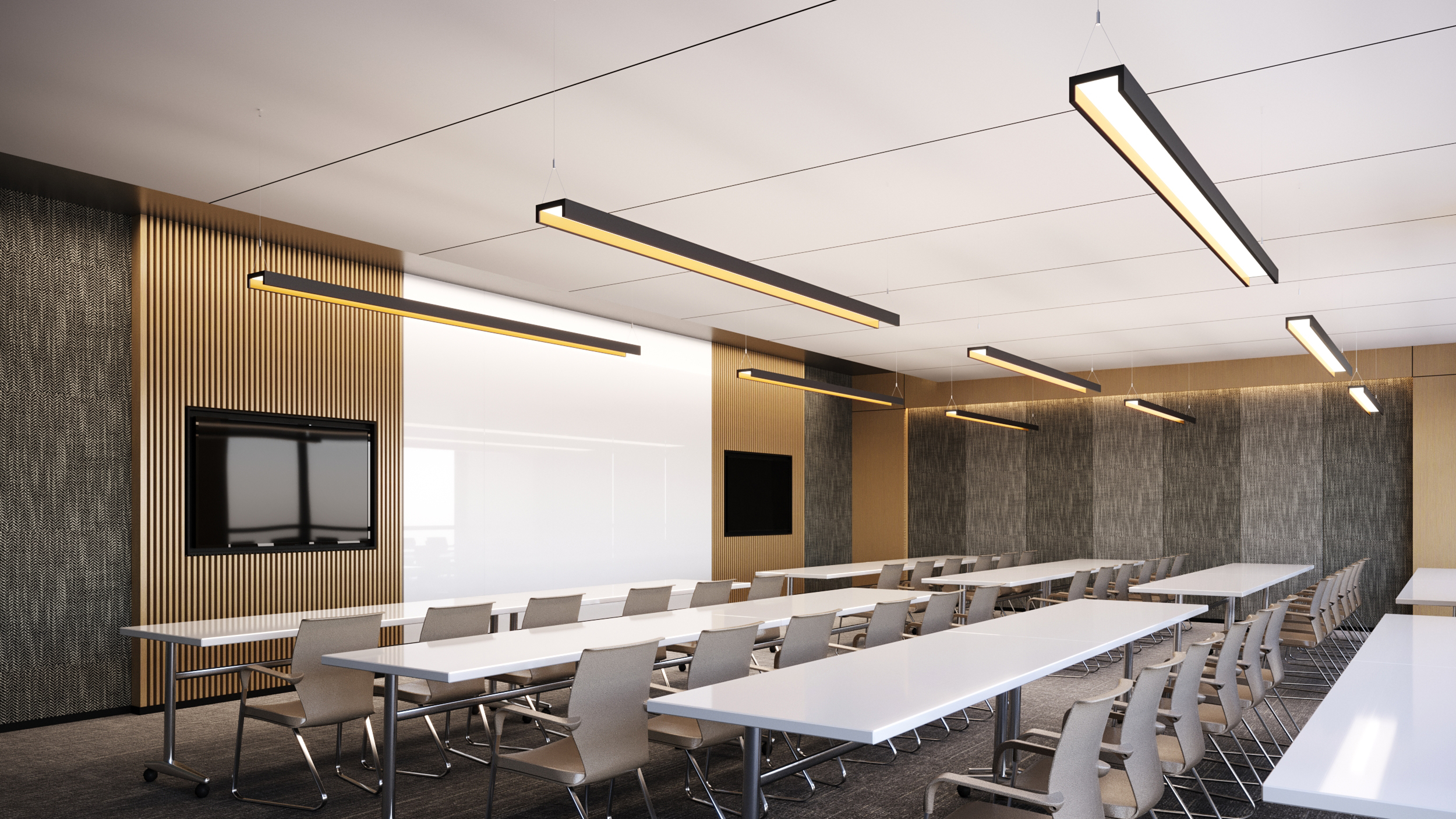
Office Environments:
UGR ≤19 for computer work areas, ≤22 for general office spaces
Educational Facilities:
UGR ≤19 for classrooms, ≤22 for open corridors and common areas
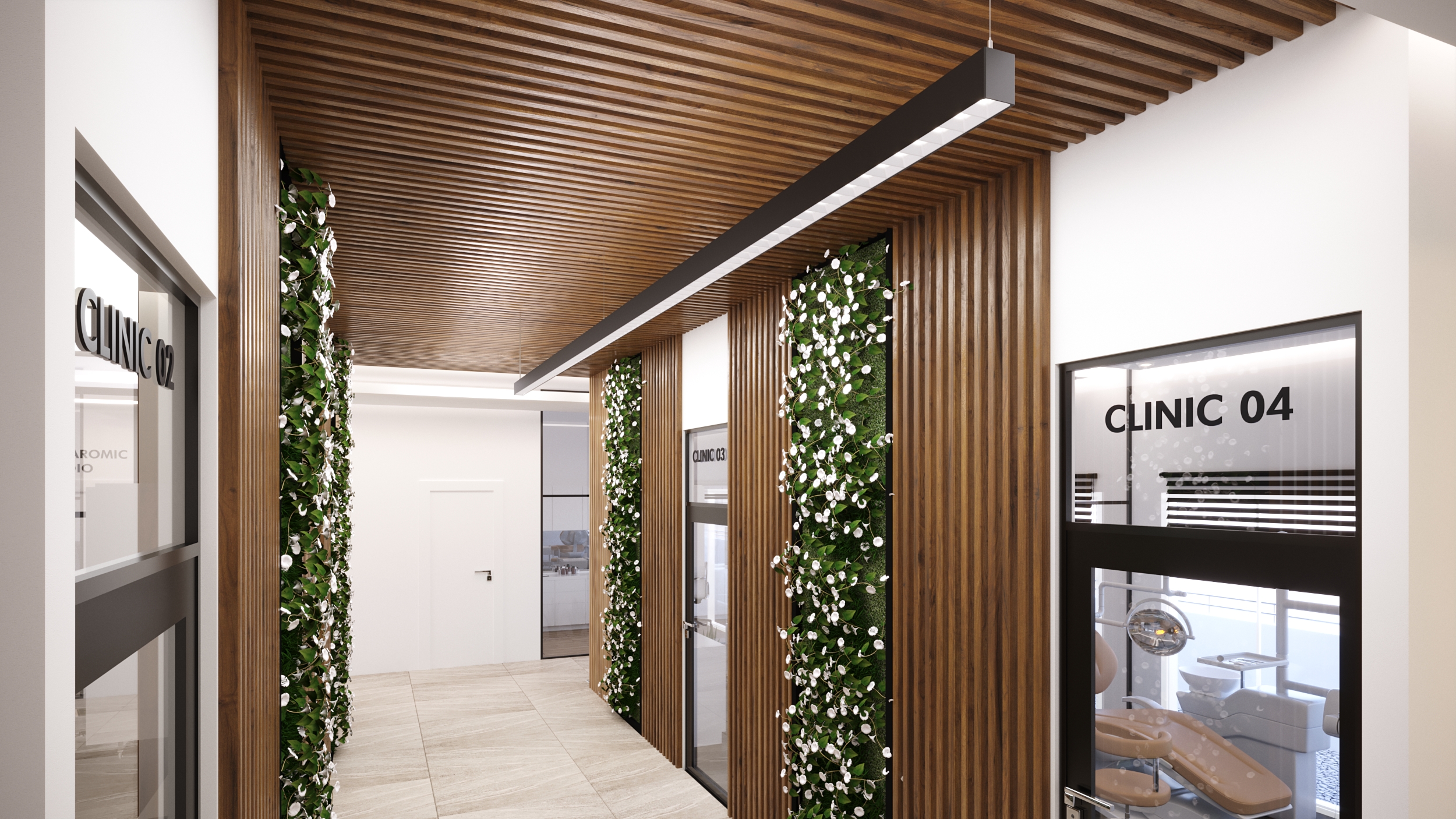
Healthcare Settings:
UGR ≤16 for medical examination rooms, ≤19 for patient rooms
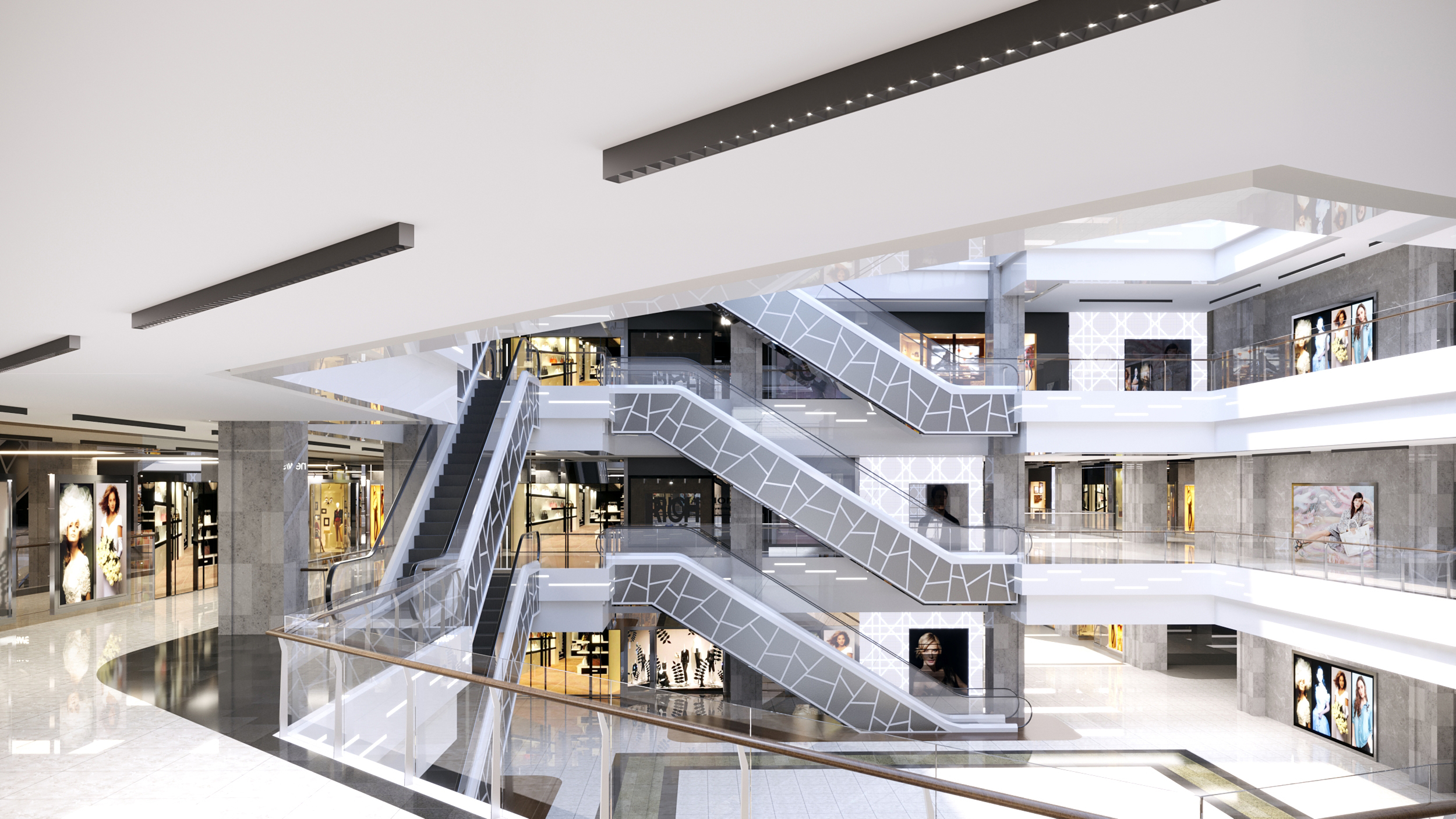
Retail
Spaces:
Spaces:
UGR ≤22 for general/communal areas, ≤25 for occupant circulation zones
Office Environments:
UGR ≤19 for computer work areas, ≤22 for general office spaces
Healthcare Settings:
UGR ≤16 for examination rooms, ≤19 for patient rooms
Educational Facilities:
UGR ≤19 for classrooms, ≤22 for corridors and common areas
Retail Spaces:
UGR ≤22 for general areas, ≤25 for circulation zones
Office Environments: UGR ≤19 for computer work areas, ≤22 for general office spaces
Educational Facilities: UGR ≤19 for classrooms, ≤22 for corridors and common areas
Healthcare Settings: UGR ≤16 for examination rooms, ≤19 for patient rooms
Retail Spaces: UGR ≤22 for general areas, ≤25 for circulation zones
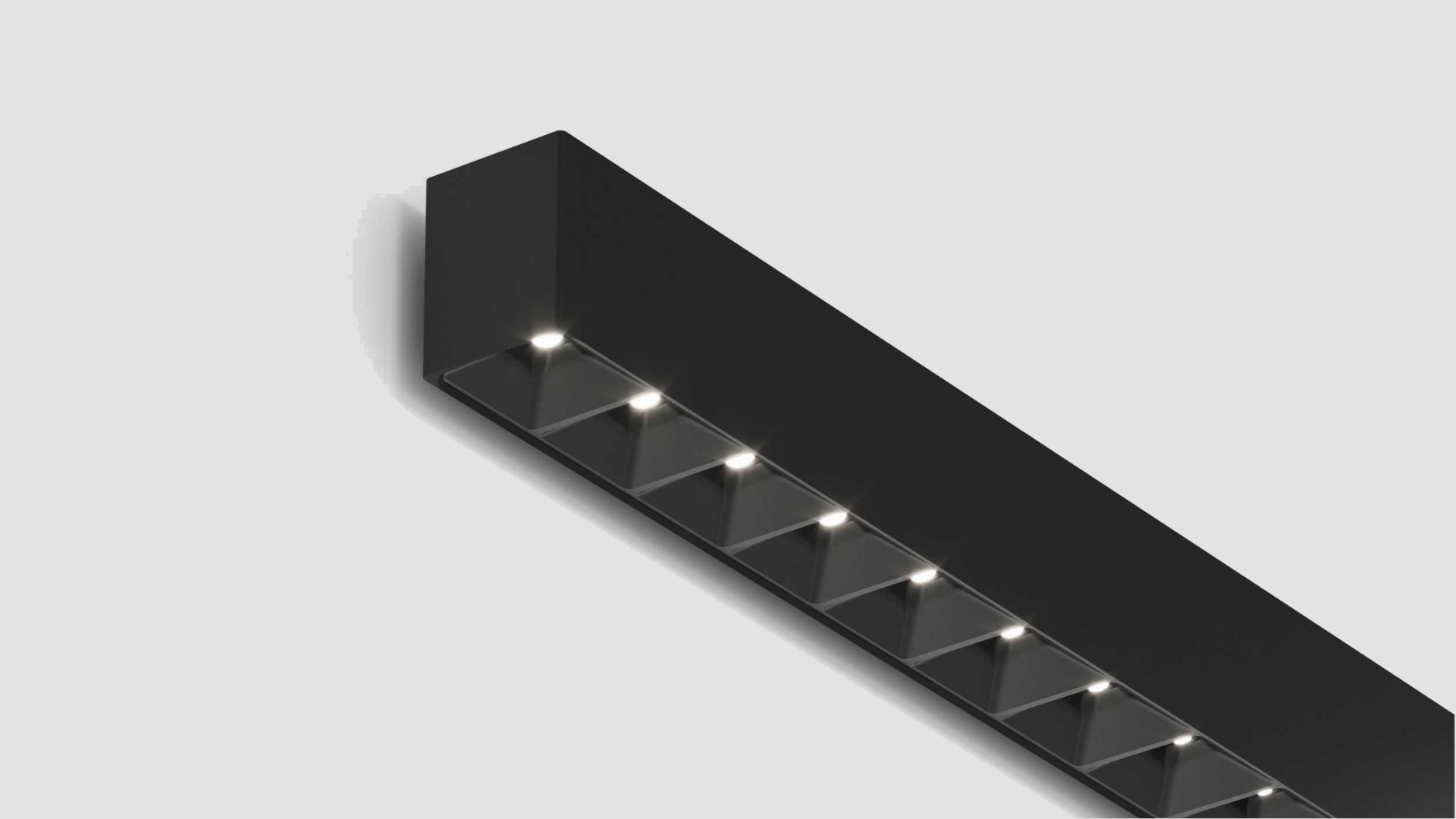
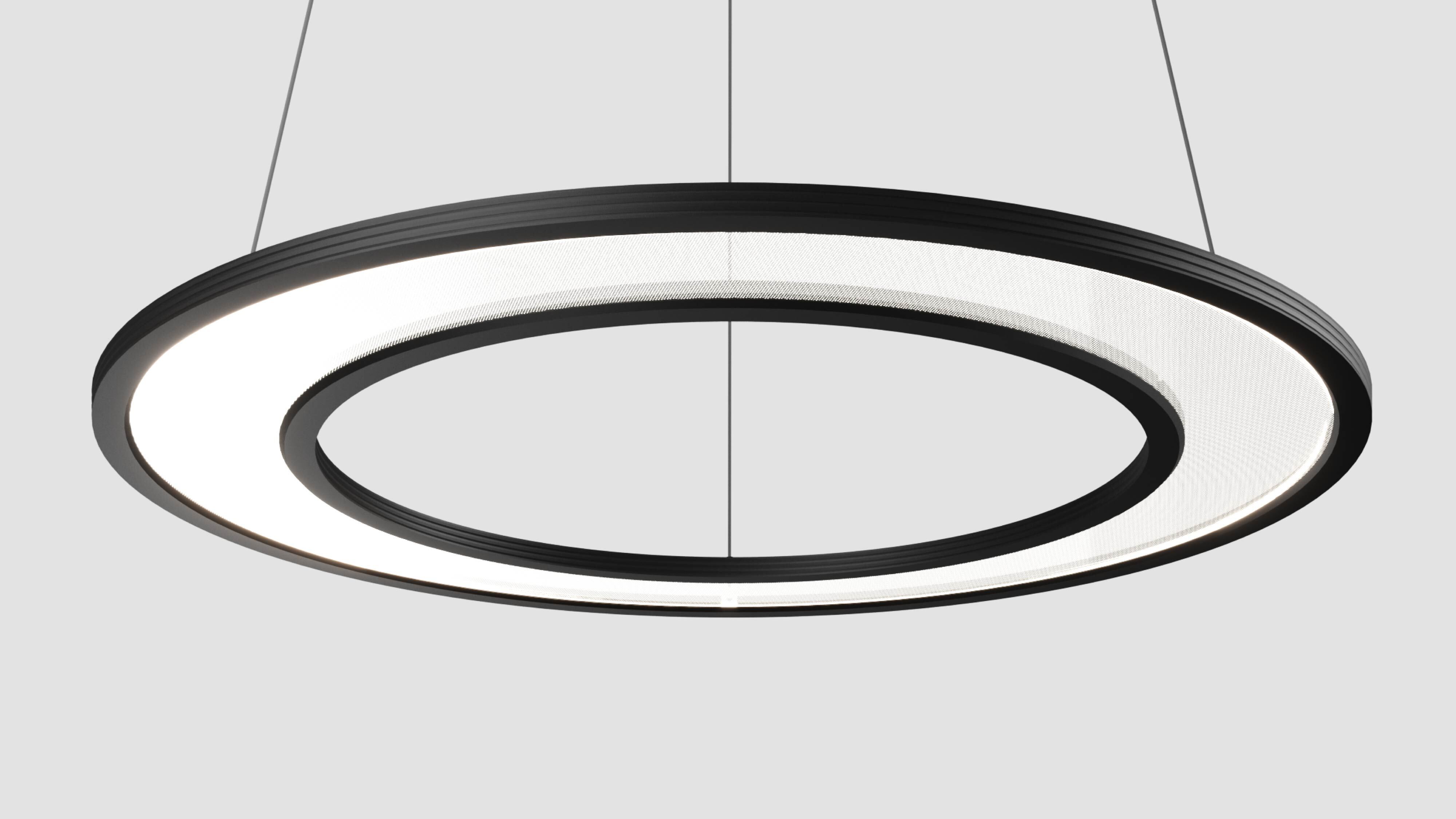
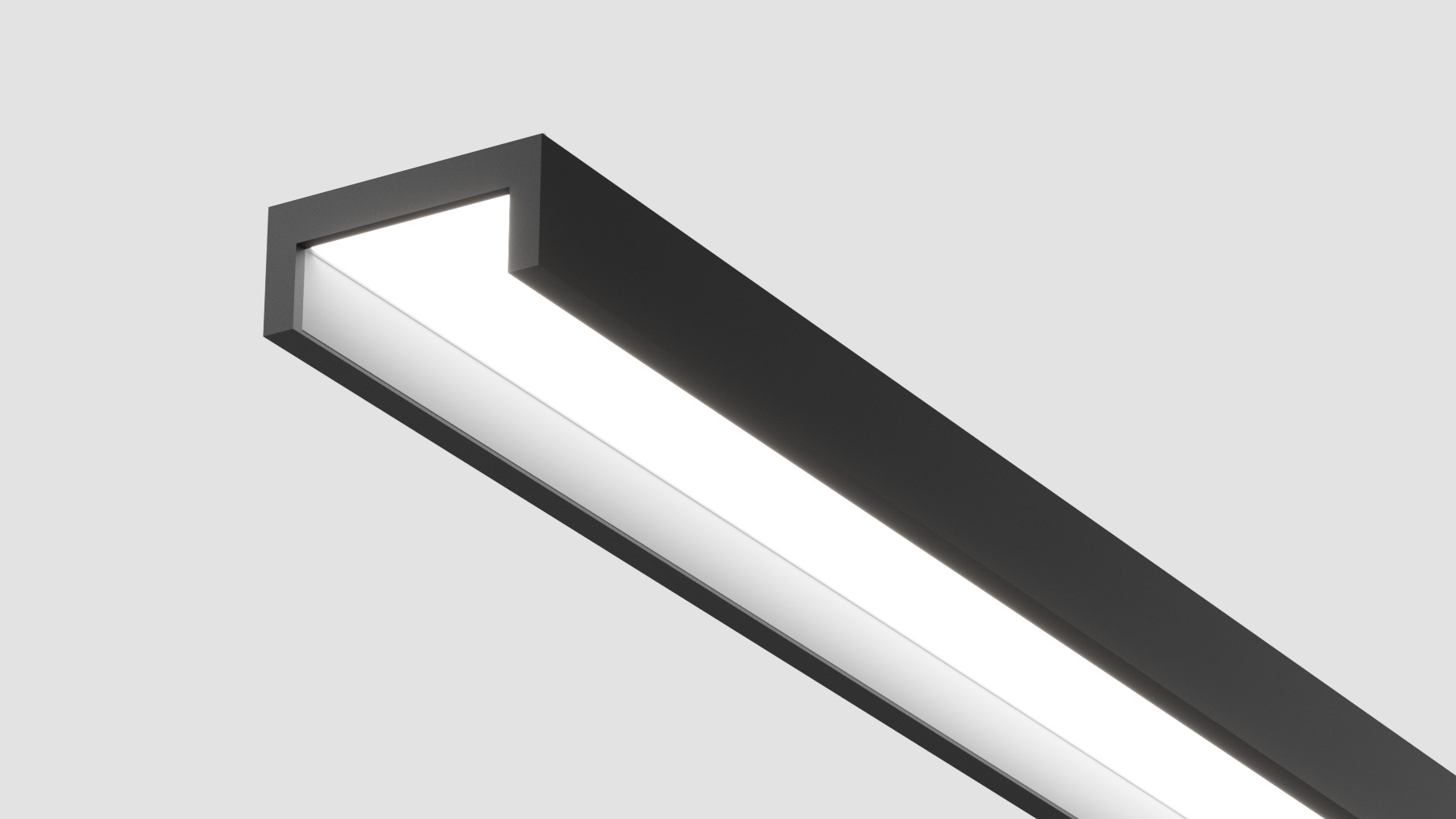
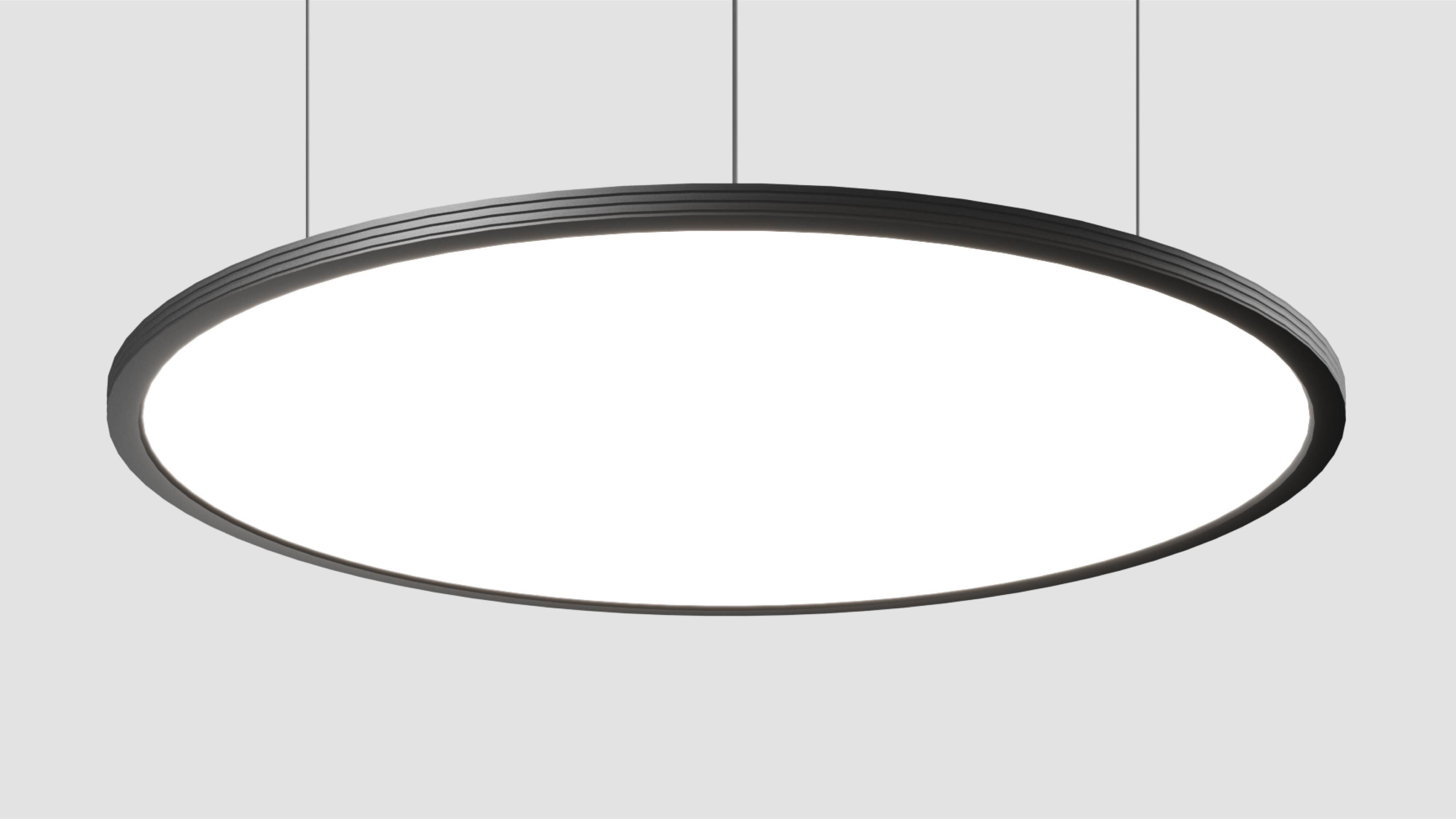
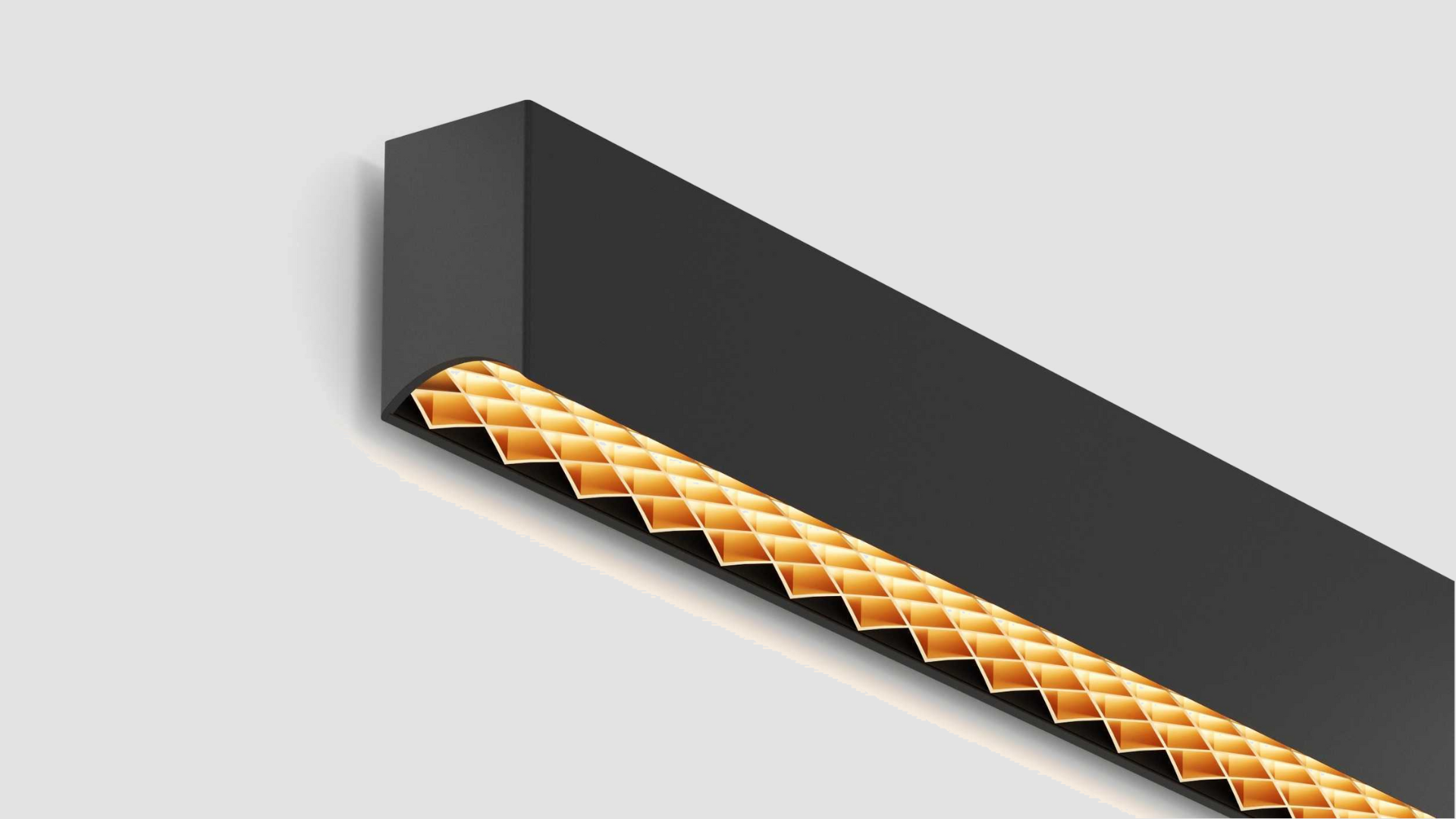
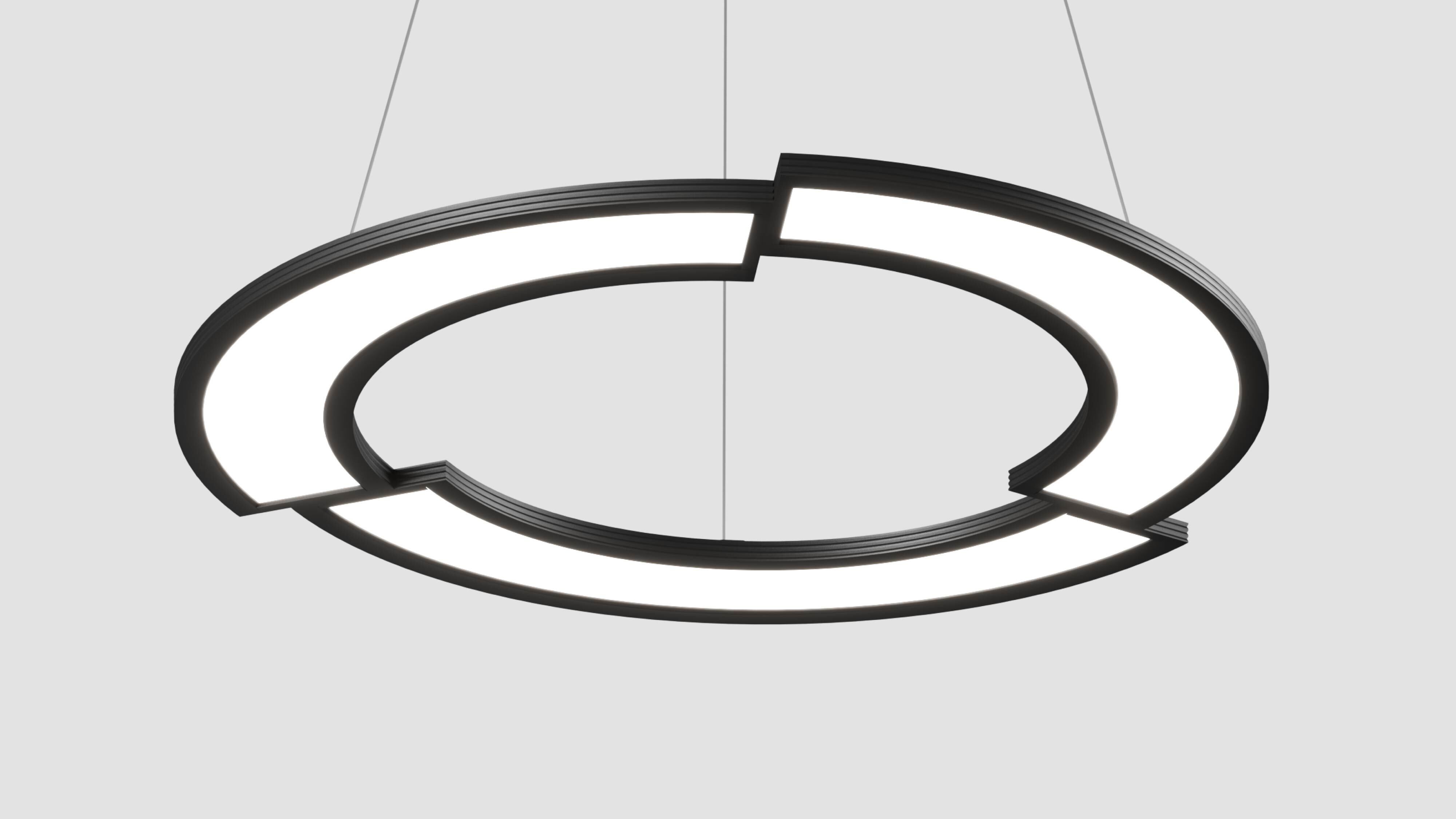
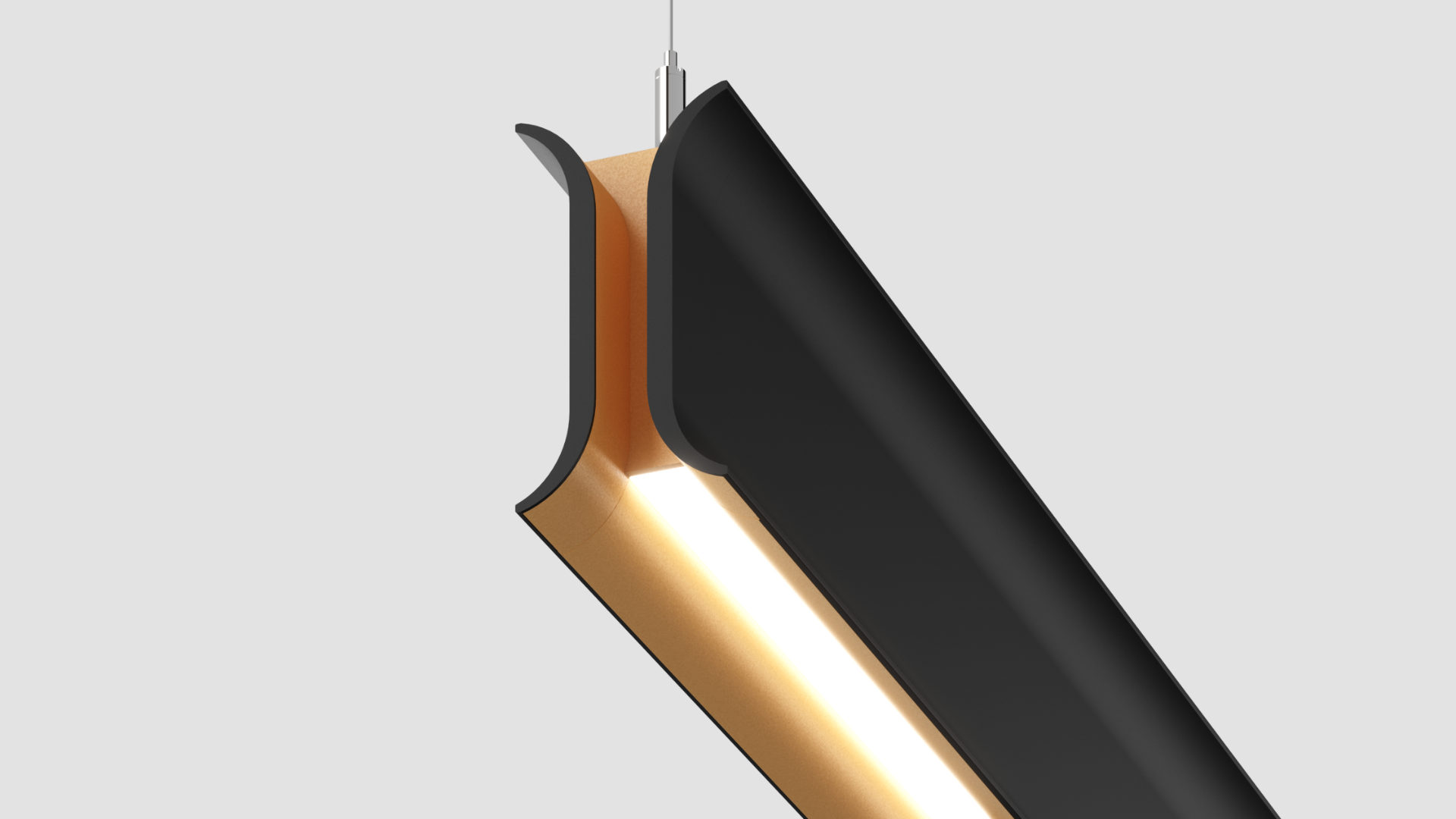
Some Beta-Calco Products that can match the Low UGR requirements below 19 are our MICRO FLARE, BRIDGE and RING BLADE families among others.
Limitations of UGR
Here are some of the limitations of UGR:
Limited Scope:
UGR only measures Discomfort Glare and does not account for Disability Glare, Daylight Glare and veiling reflections (glare on screens). The calculation also does not address all comfort factors such as color quality, contrast ratios and distribution patterns.
Static by Nature:
Since the calculation is only done for specific viewing positions, ie. fixed observer positions, this does not account for people moving through the space, different postures or actual user experience in dynamic environments. Along with that there are several assumptions made regarding background luminance (such as uniform ceilings and walls), luminaire specific limitations and a lack of adaptability over time that make the calculation static and point-based.
Variations Between Individuals:
UGR is based on average observer responses, not accounting for age related differences or individual tolerance, which can significantly vary from individual to individual.
Complex and Inaccurate at Extremes:
Calculating UGR involves complex formulas, specialized software, and extensive reference tables or manual verification, making the process time-consuming. Additionally, the calculation becomes less accurate for extremely low UGR values.
However, despite these limitations, UGR remains the most widely accepted metric for assessing discomfort glare. It is standardized across the industry, strongly supported by regulations, and represents a significant improvement over legacy methods such as the glare index. UGR also provides a reliable comparative basis for fixture selection. The best practice is to use it in conjunction with other key metrics, including contrast ratios, uniformity ratios, appropriate CRI/CCT combinations, and user feedback.
Future of UGR in Lighting Design
As lighting technology continues advancing, UGR considerations are becoming more sophisticated and integrated into the design process:

Advancing Modeling Tools
Modern lighting software continues to advance and is beginning to provide real-time UGR calculations, enabling designers to optimize layouts and fixture selections during the design phase rather than after installation.

Human-Centric Considerations
Research into circadian lighting and visual comfort is expanding UGR applications beyond traditional discomfort glare to include broader wellness considerations.

Dynamic Lighting Systems
Smart lighting controls may eventually be able to adjust output levels and distribution patterns throughout the day at granular levels, maintaining optimal UGR values while supporting circadian rhythms and energy efficiency.

Material Innovation
Advanced optical materials and manufacturing techniques continue to improve the ability to achieve low UGR values while maintaining efficiency and aesthetic appeal.

Evolving Optical Design
Lighting technologies and optics are constantly evolving, with several technologies like Light Guide Plates (LGPs) and louvered designs becoming increasingly effective at reducing glare. This trend will only continue with attractive lighting becoming increasingly functional, especially in a UGR sense.
Conclusion
Unified Glare Rating represents more than a technical specification; it is a fundamental tool that reflects a growing commitment to human-centered lighting design. By understanding and applying proper UGR control principles, architects and designers can create environments that not only look refined but also support productivity, comfort, and well-being while meeting regulatory and sustainability goals.
The evolution of optical technologies, from traditional louvers to advanced light guide plate (LGP) systems, continues to expand the possibilities for achieving excellent UGR performance without compromising design intent or energy efficiency. As visual tasks become more demanding and work environments increasingly diverse, UGR will remain a cornerstone of lighting that serves human needs. Maintaining focus on UGR will be an essential building block in delivering solutions that are efficient, sustainable, and visually cohesive.
At Beta-Calco, this commitment to improving UGR performance aligns with our broader focus on optical innovation and human-centered design, supporting the creation of environments that are efficient, sustainable, and visually comfortable.
Gallery
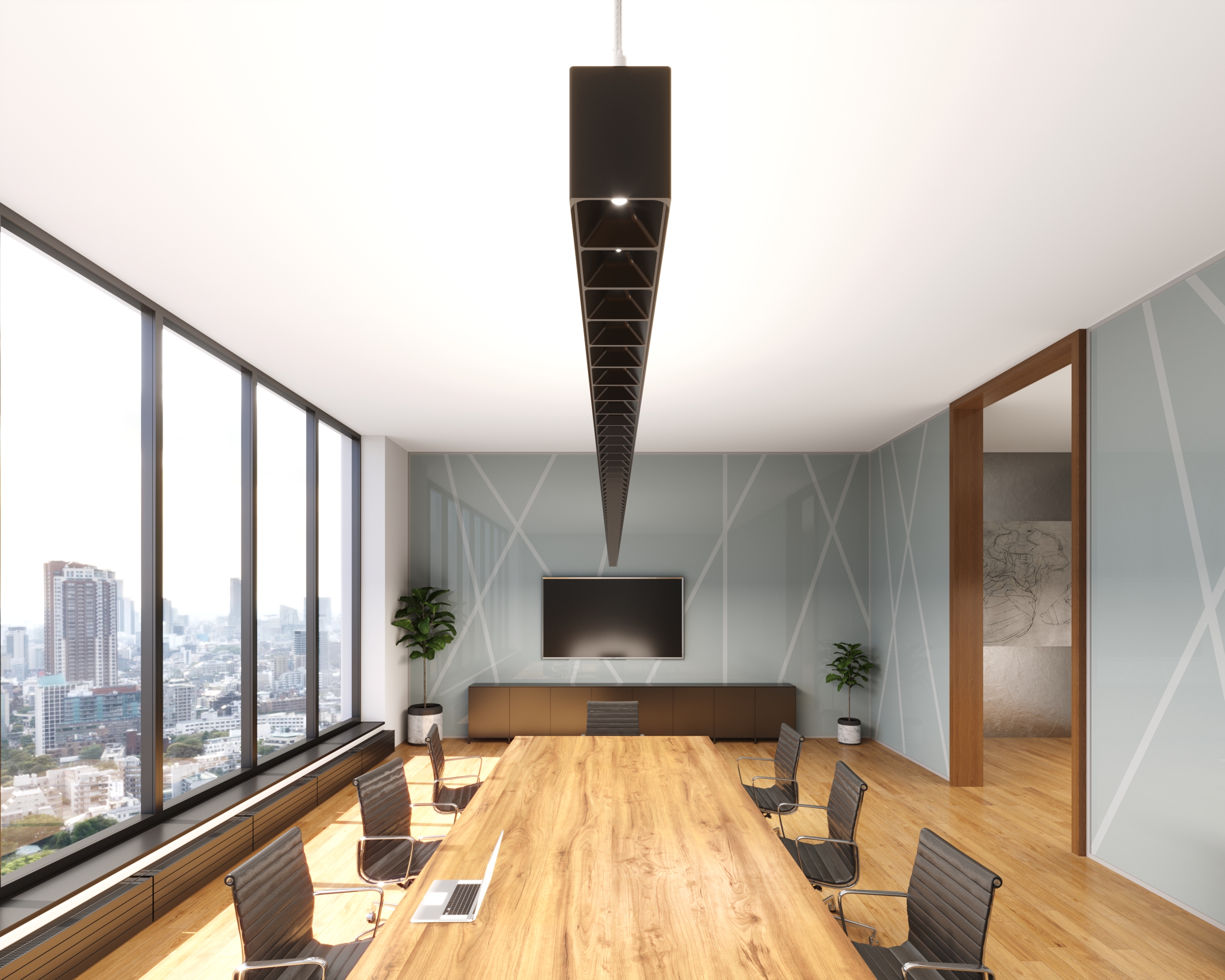
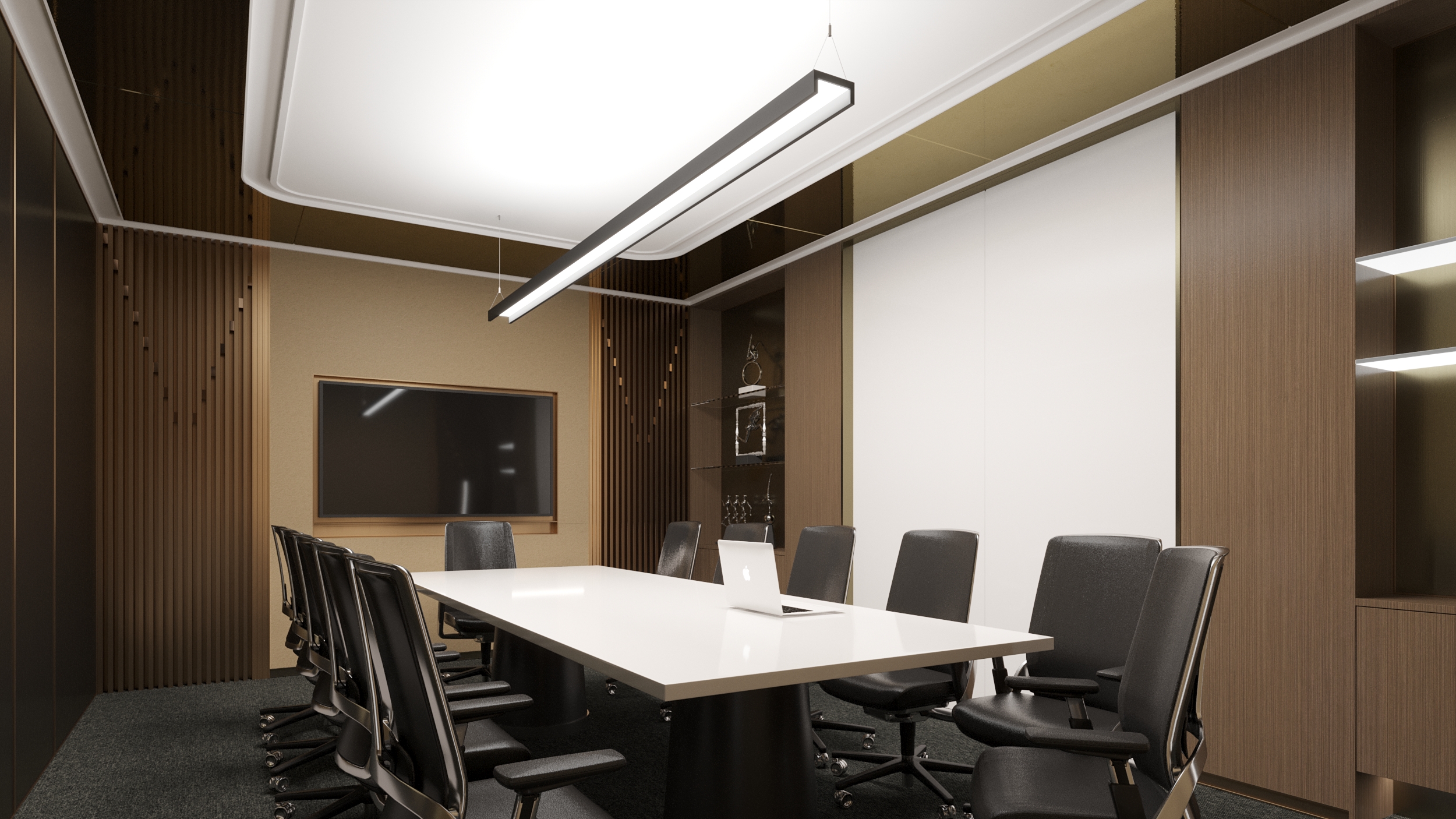
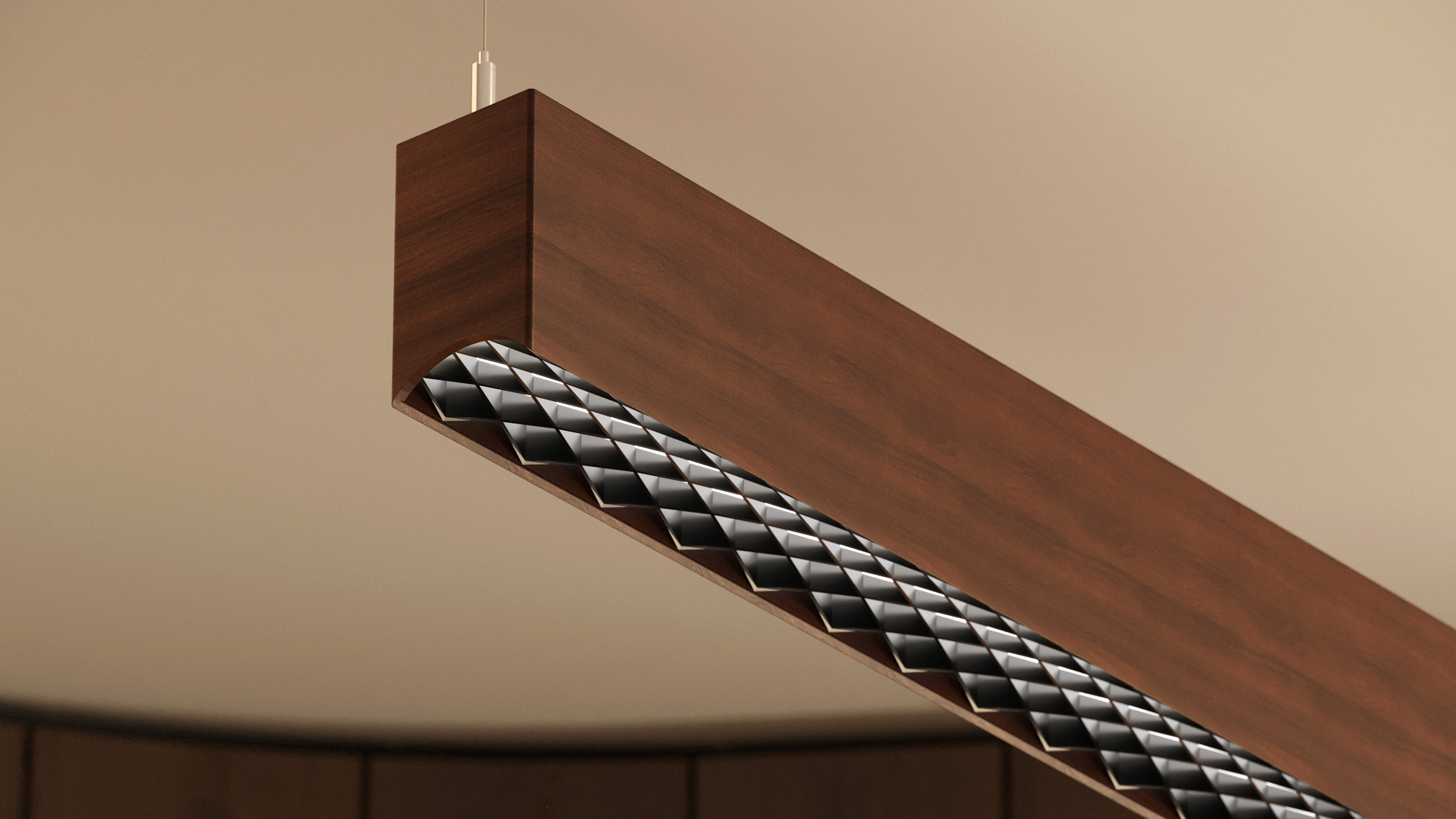
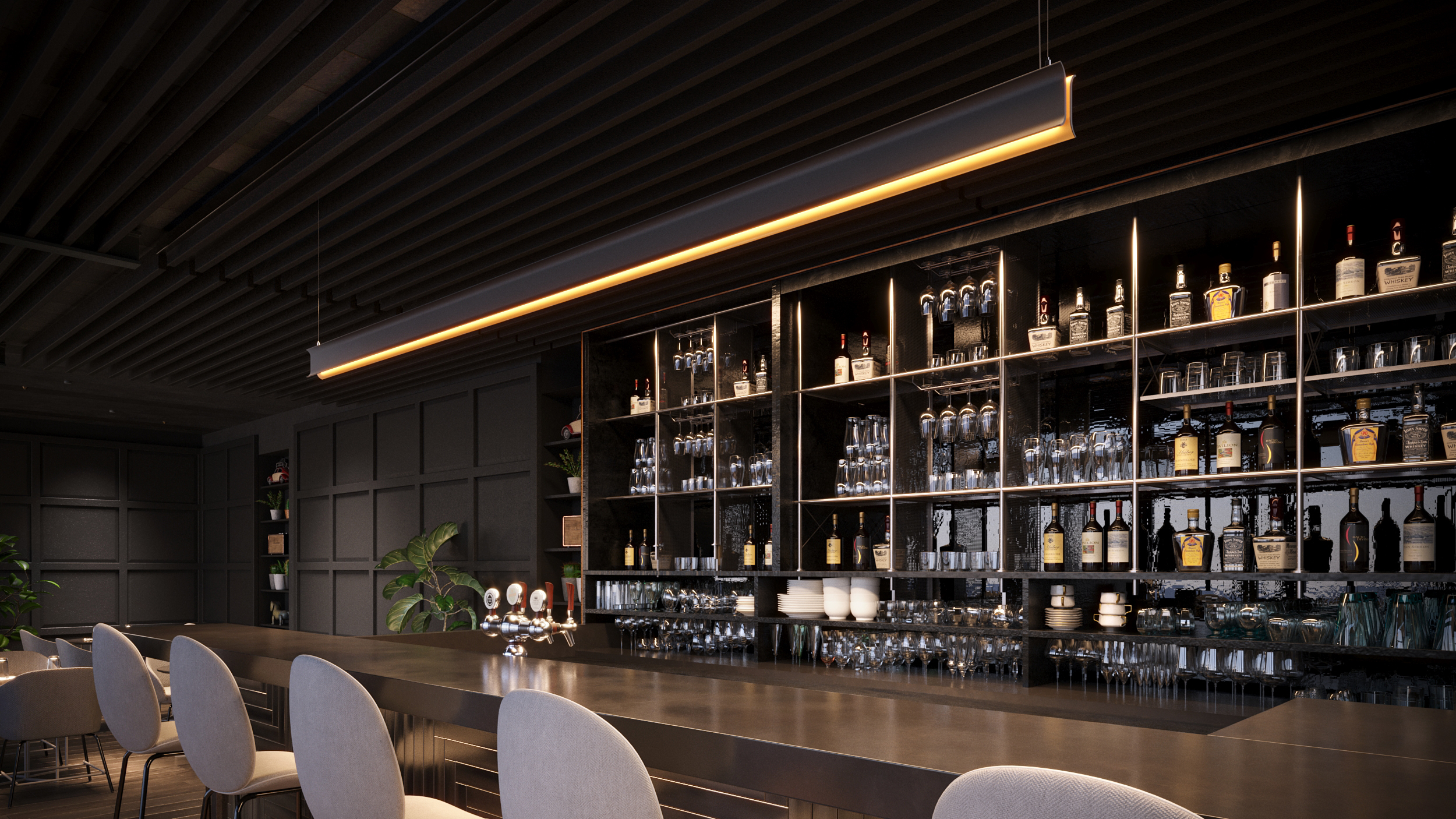
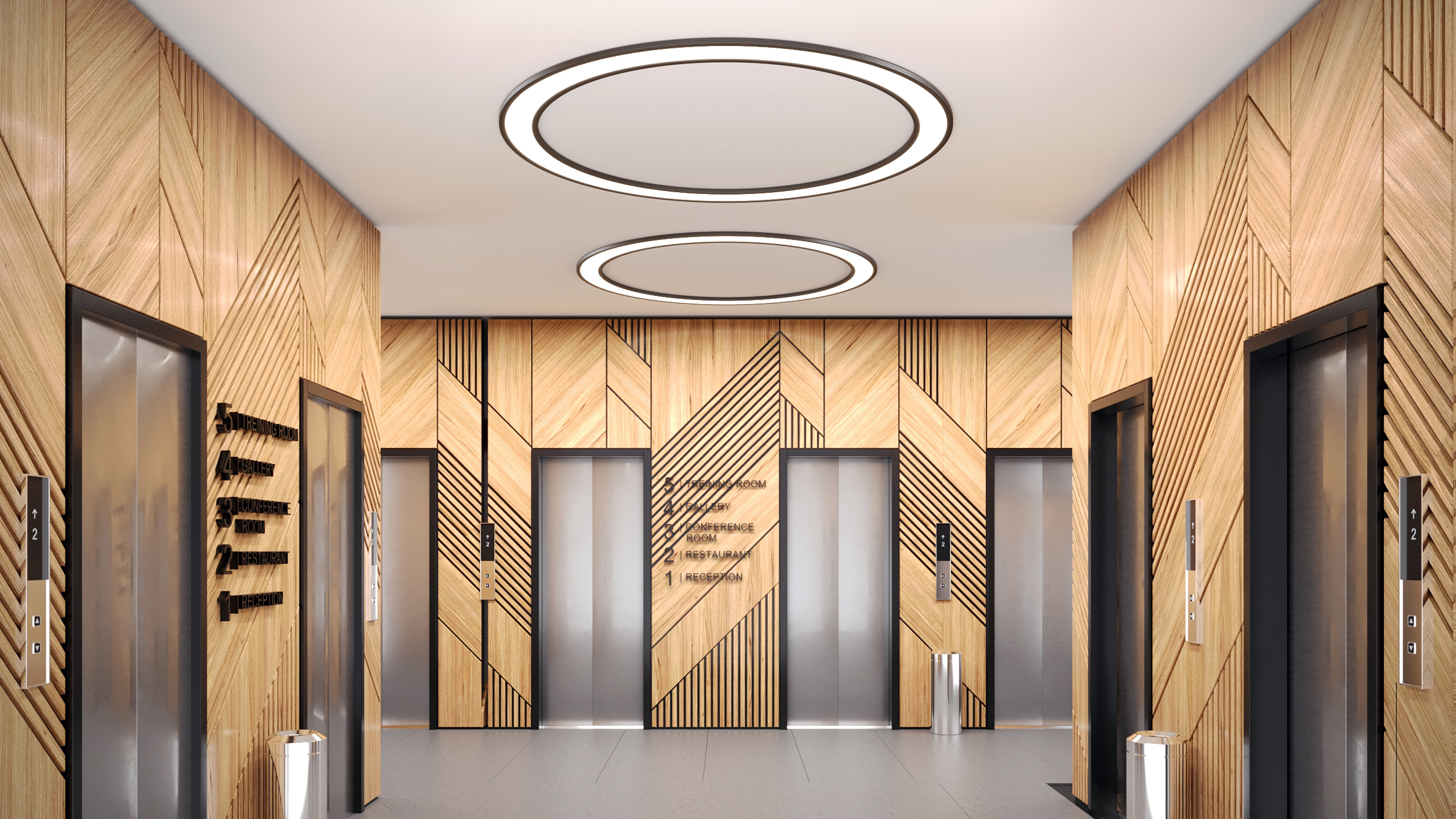
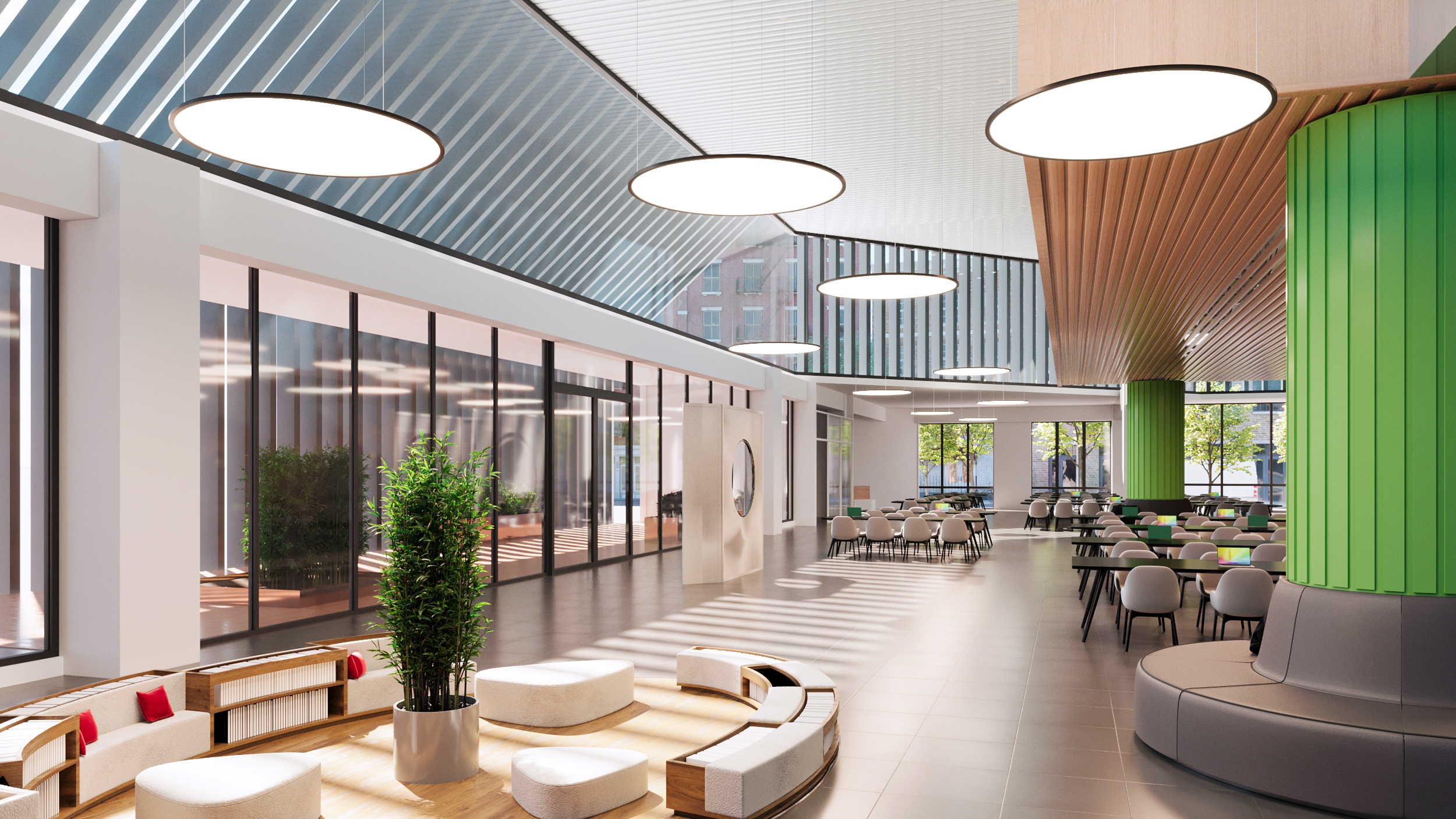
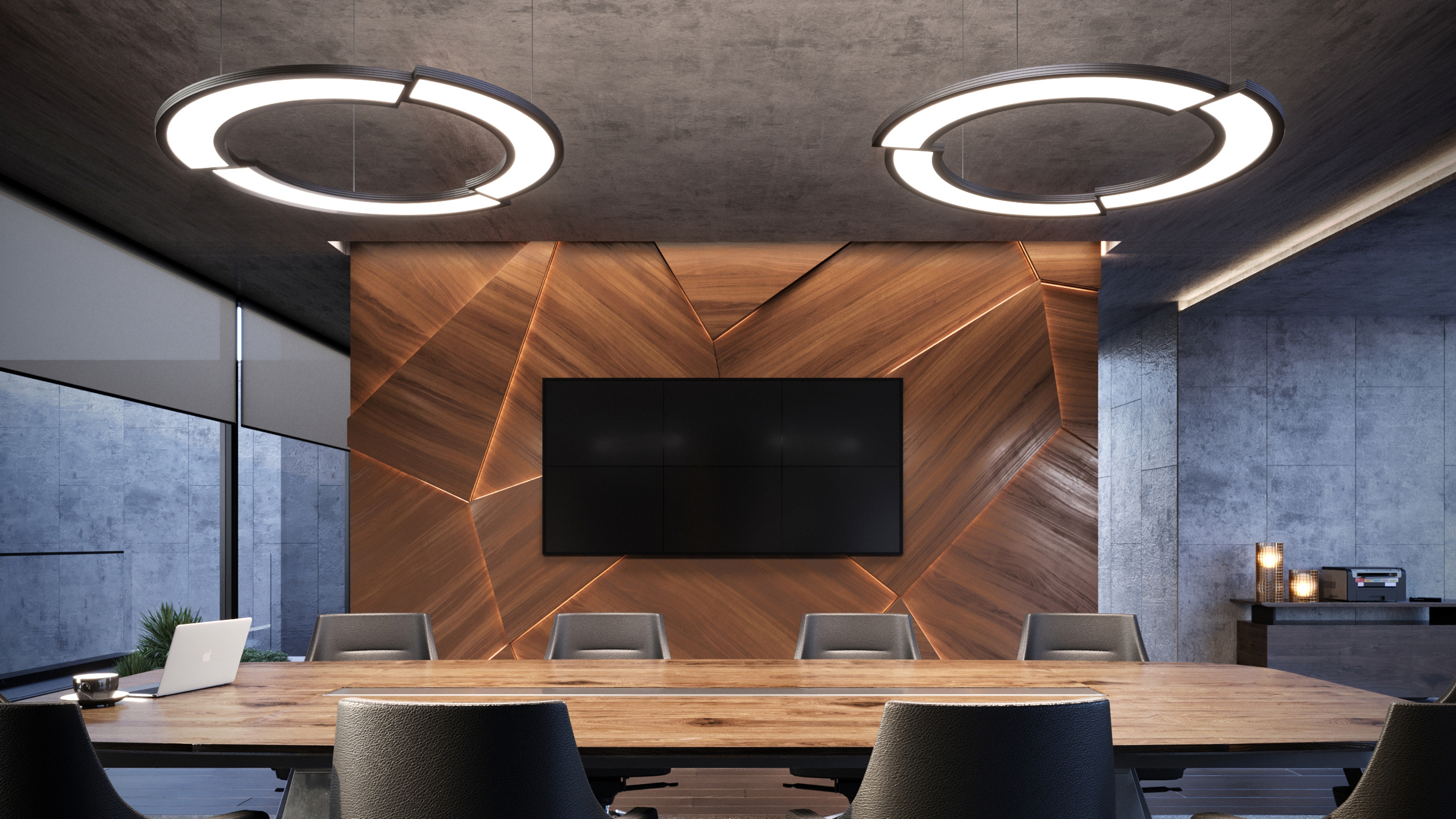
Achieving Visual Comfort: Beta-Calco's Low-Glare Products