Dark Sky
Preserving Our Nighttime Heritage
Introduction
In our increasingly urbanized world, the beauty of the night sky has become obscured by light pollution. However, a growing movement called Dark Sky aims to reclaim the splendor of the night by reducing light pollution and promoting responsible lighting practices. Dark Sky advocates for the use of lighting products that minimize light pollution, protect wildlife and ecosystems, and enhance human health. This article will delve into the concept of Dark Sky, highlight its importance, and discuss the key considerations when selecting lighting products to support this movement.
What is a Dark Sky?
Dark Sky refers to the preservation of natural darkness in the nighttime environment by reducing light pollution. Light pollution occurs when artificial light from various sources, such as streetlights, buildings, and outdoor fixtures, excessively brightens the night sky. This excessive lighting not only obstructs our view of stars and celestial objects but studies suggest that wildlife, ecosystems, and human health are also adversely affected.
DarkSky, a prominent organization dedicated to reducing light pollution, defines Dark Sky as "an area, usually surrounding a park or observatory, in which artificial light is controlled to minimize light pollution and preserve the night sky." By adhering to Dark Sky principles, we can regain our connection to the cosmos while simultaneously protecting the environment.
The Dark Sky movement adopts lighting practices that minimize skyglow, glare, and unnecessary light trespass. Skyglow occurs when artificial lighting is scattered into the atmosphere, creating a brightened sky even in areas with low population density. Glare refers to excessive brightness and high contrast ratios that can impair vision, while light trespass occurs when light spills over into areas where it is not needed or wanted, such as into windows of homes or natural habitats.
Why is Dark Sky Important?

Preserving Astronomical Observation
One of the most immediate and apparent consequences of light pollution is the obstruction of astronomical observation. Artificial lighting makes it diffcult for astronomers, both amateur and professional, to observe and study celestial objects. By adopting Dark Sky practices and using lighting products that minimize light pollution, we ensure that future generations can marvel at the wonders of the universe.

Protecting Wildlife and Ecosystems
There is evidence to suggest that light pollution disrupts the natural patterns and behaviors of wildlife, particularly nocturnal animals and migratory birds. Artificial lights can confuse navigation systems, disrupt mating rituals, and alter foraging patterns, which can have cascading effects on ecosystems. By implementing Dark Sky lighting solutions, we mitigate these disruptions and safeguard the well-being of wildlife and ecosystems.

Promoting Human Health
Extensive research has explored the topic of light in relation to human health, concluding that exposure to excessive artificial light during the night, particularly blue light, affects our biological rhythms, leading to sleep disorders, impaired immune function, and increased risk of chronic diseases. Bright nighttime lighting can also disrupt melatonin production, a hormone that regulates sleep. By embracing Dark Sky principles and employing lighting products designed to minimize light pollution, including the reduction of blue light emissions, we prioritize human health and well-being.
Considerations when Selecting Dark Sky Lighting Products
Fully Shielded Lighting
When choosing lighting products, prioritize those with full shielding, such as fully shielded fixtures or downward-facing lights. These designs ensure that light is directed downwards, reducing light spillage into the sky and surrounding areas.
Light Intensity and Direction
Opt for lighting products that emit the appropriate amount of light for the intended purpose without excessive brightness. Consider directional lighting that focuses light where it is needed rather than dispersing it in all directions.
Color Temperature
The color temperature of lighting plays a significant role in Dark Sky compliance. Warmer color temperatures (below 3000 Kelvin) mimic the natural warm hues of candlelight and moonlight, while cooler color temperatures (above 3000 Kelvin) tend to have a bluish tint. Choosing warmer color temperatures can reduce the disruptive effects on wildlife and maintain the natural ambiance of the night.
Motion Sensors and Timers
Incorporating motion sensors or timers in outdoor lighting installations ensures that lights are only activated when needed, reducing unnecessary light pollution during low-tra c periods.
Energy Efficiency
Energy-e fficient lighting technologies such as LED (Light Emitting Diode) offer numerous benefits for Dark Sky compliance. A well-designed fixture utilizing e cient technologies, will consume less energy, last longer, and provide superior control over light output. When selecting lighting products, consider those with adjustable brightness and color temperature, to optimize energy usage and minimize light pollution.
Conclusion
Dark Sky represents a crucial movement aimed at mitigating light pollution and its adverse effects on our environment and well-being. By understanding the importance of Dark Sky principles and considering key factors when selecting lighting products, we can actively contribute to reducing light pollution. By choosing lighting solutions that prioritize fully shielded designs, appropriate light intensity, lower color temperatures, and energy e ciency, we can create a more harmonious balance between artificial light and the beauty of the night sky. Let us embrace Dark Sky practices and inspire a future where the night sky, once again, dazzles with its celestial wonders.
Gallery


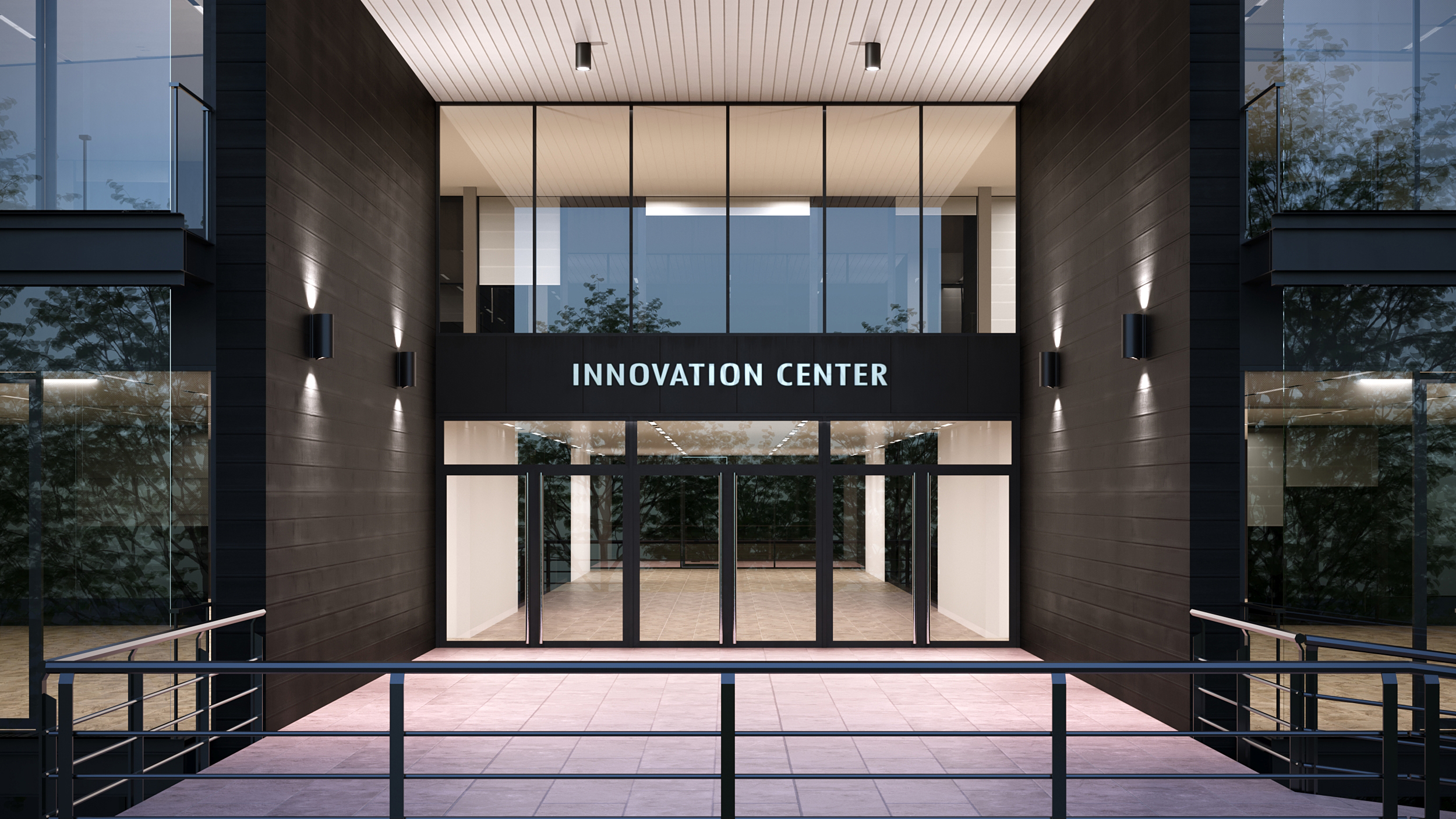







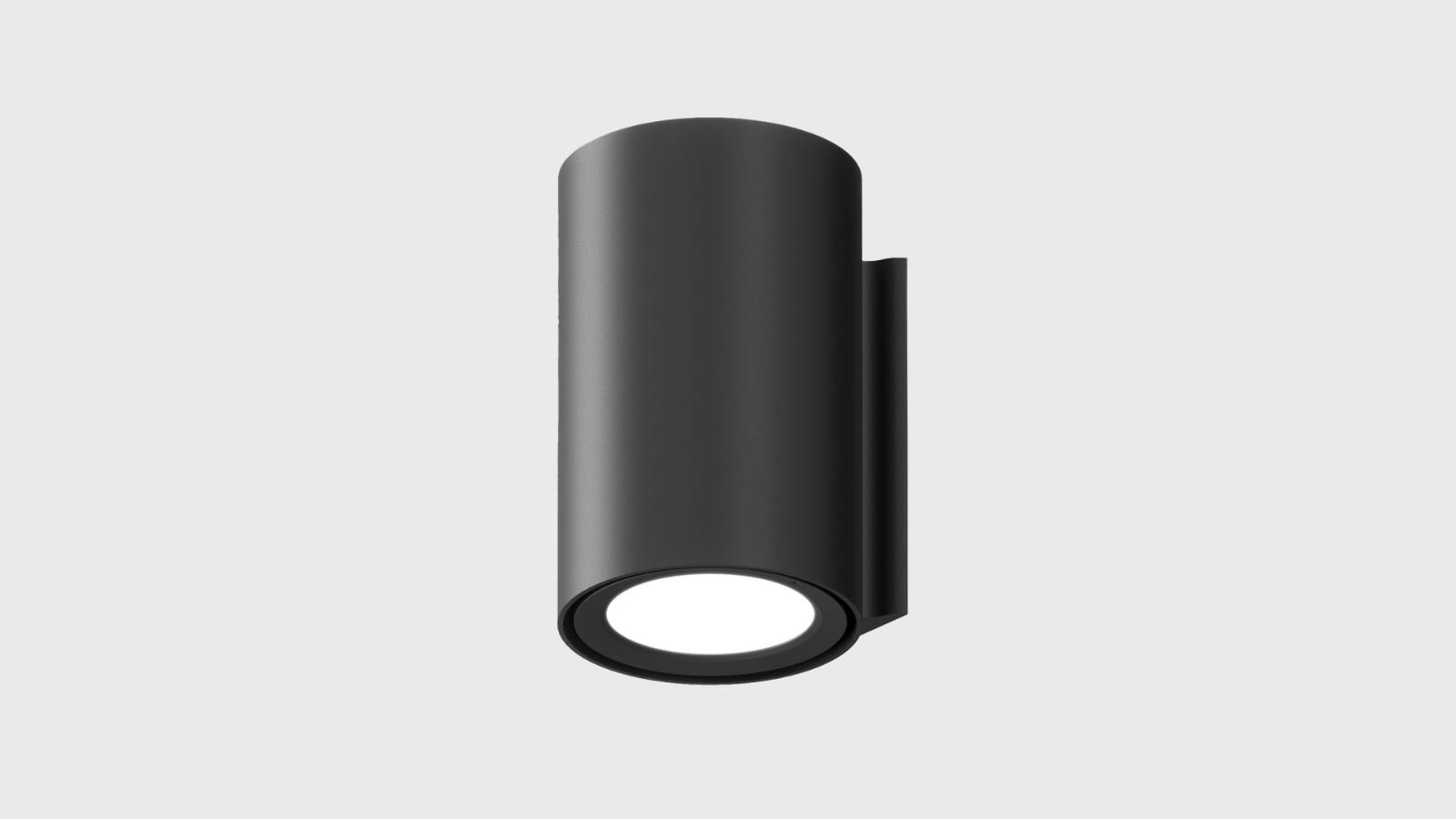
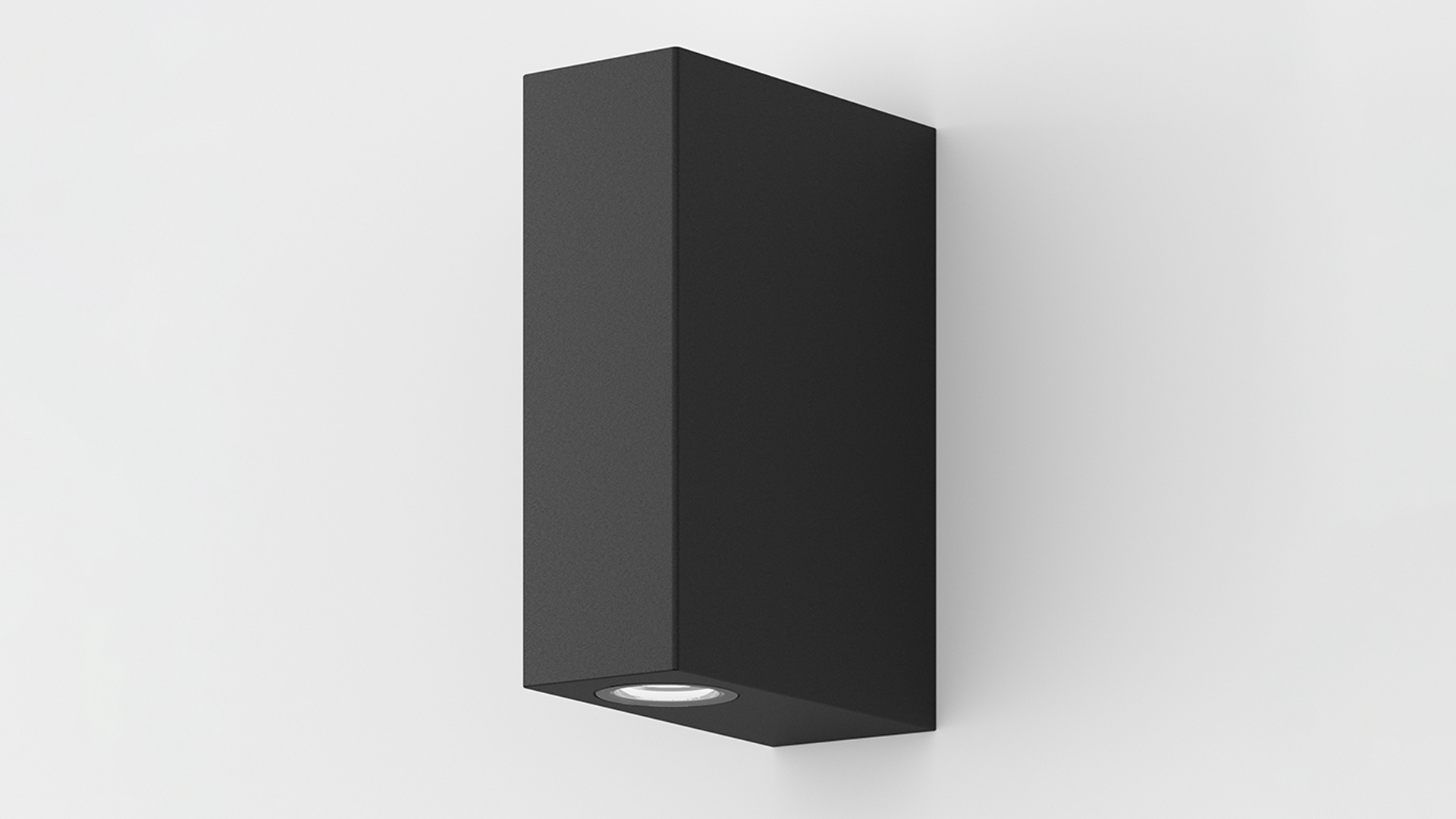
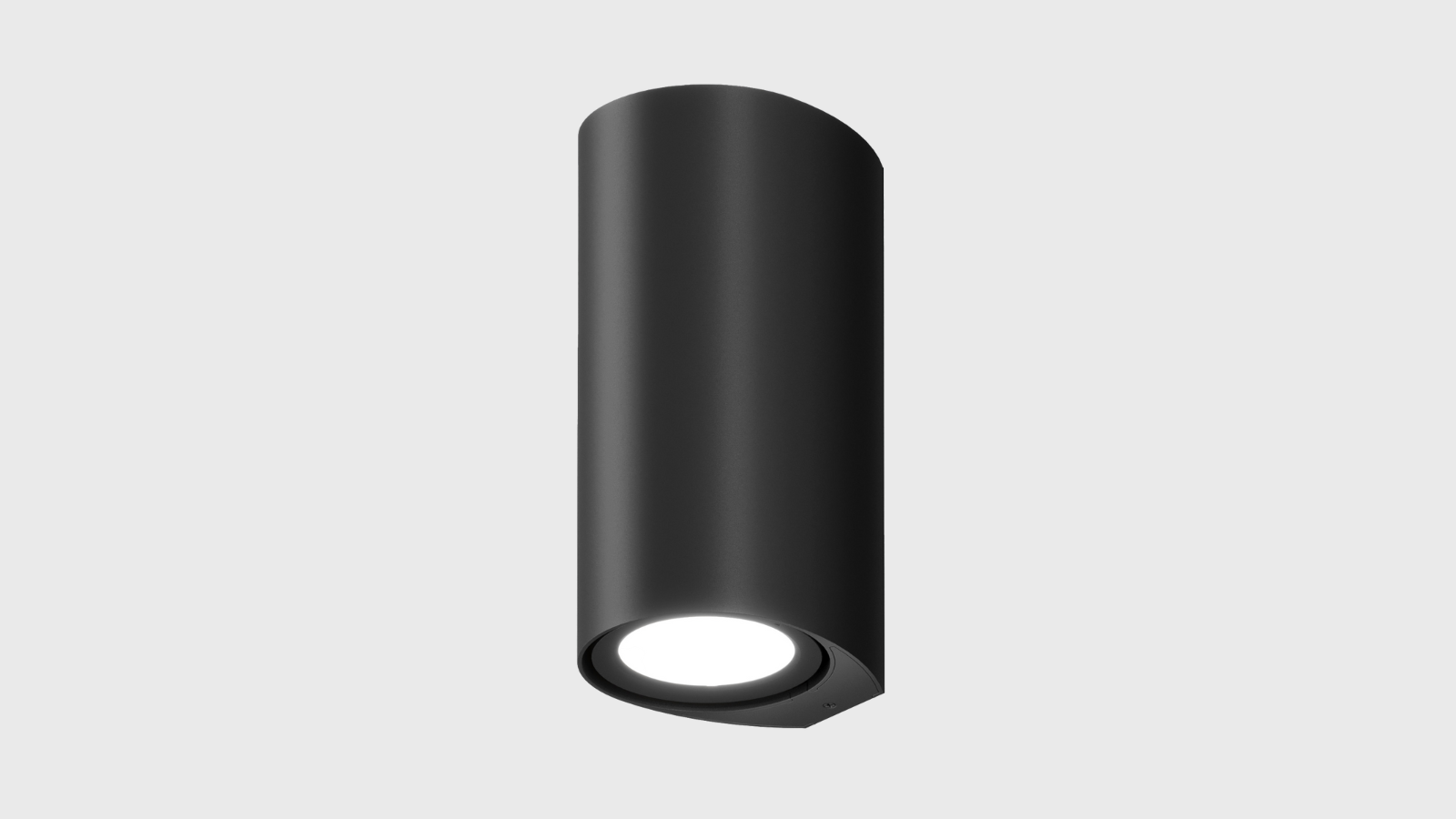
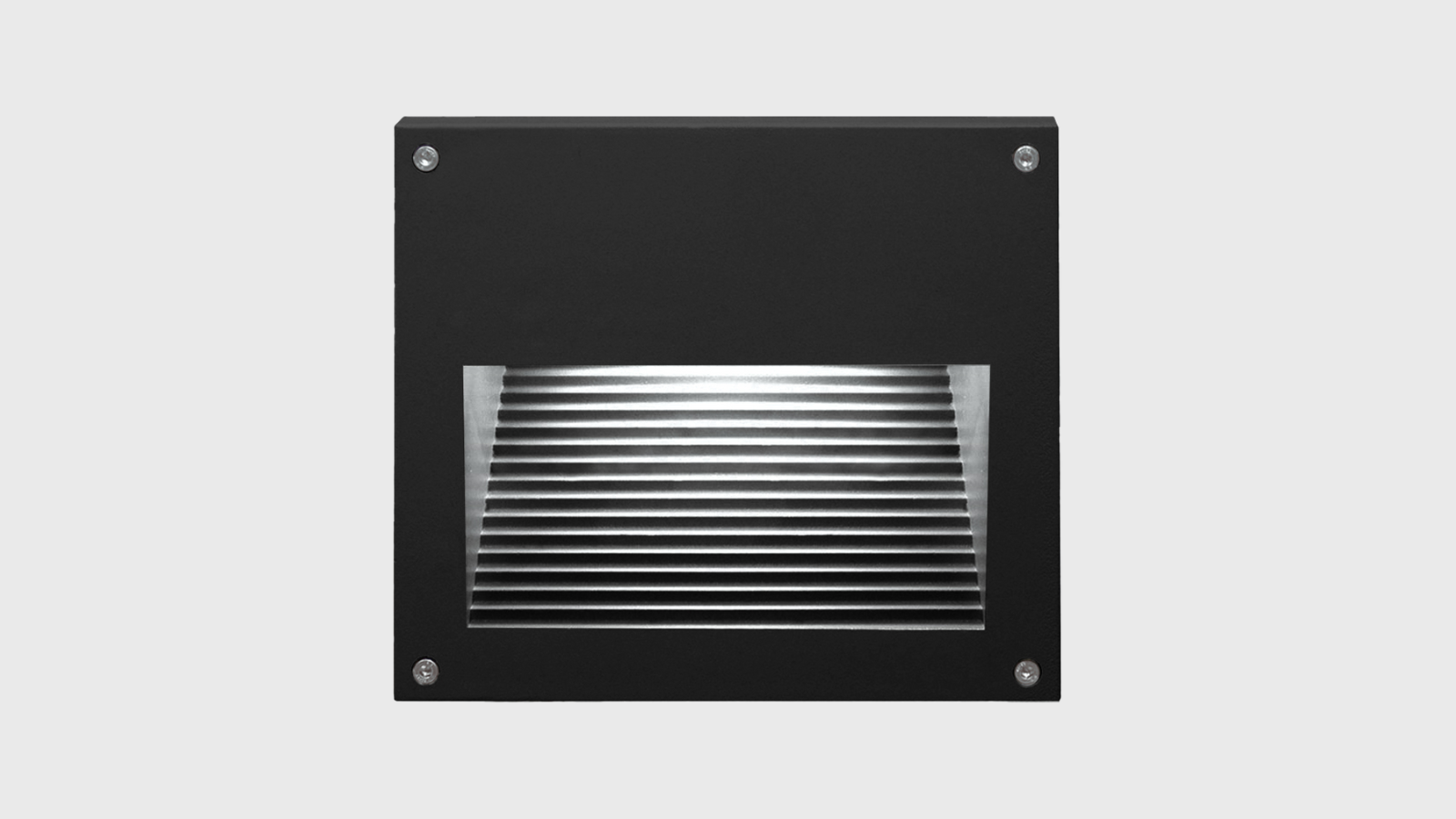
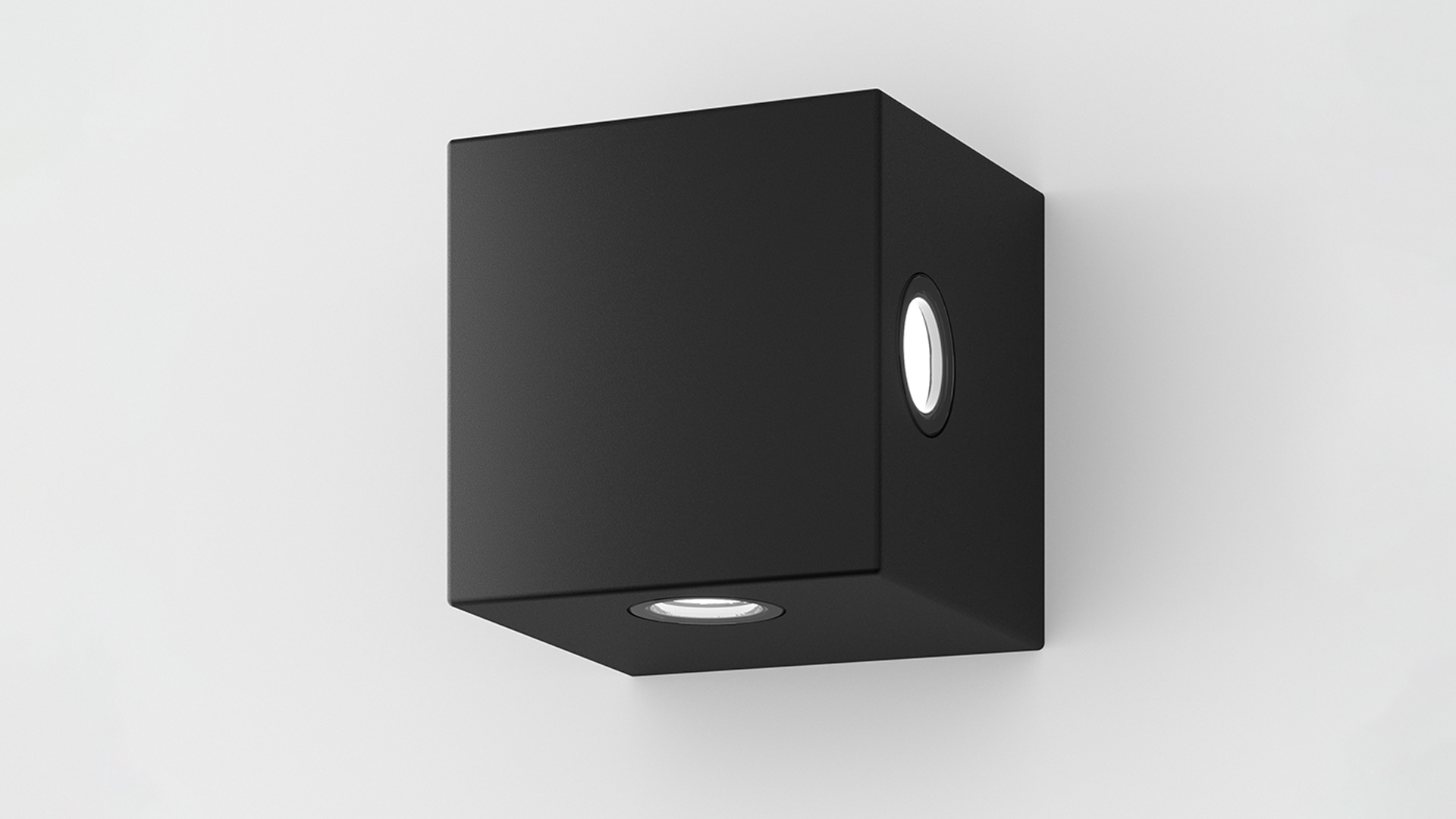
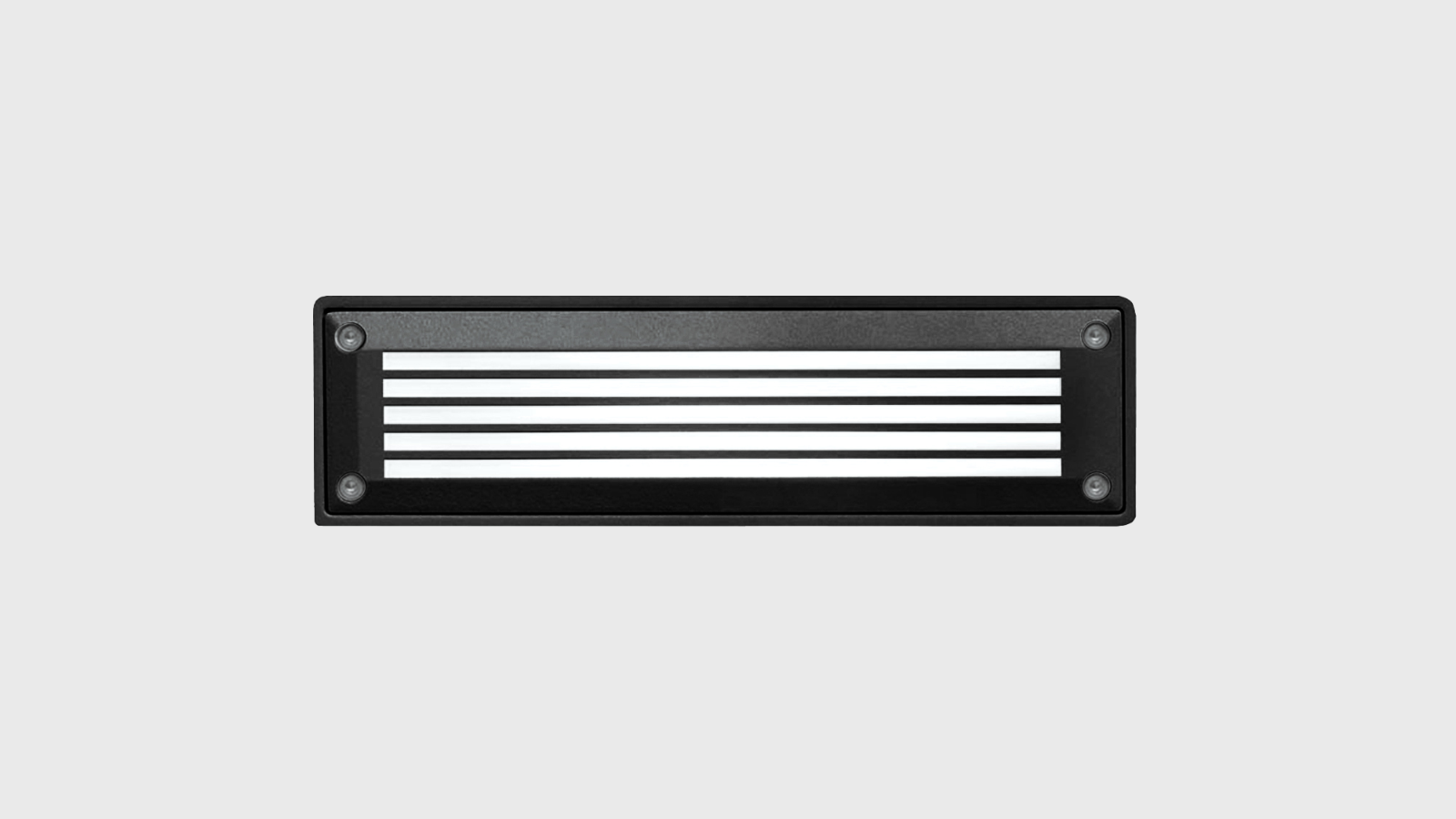
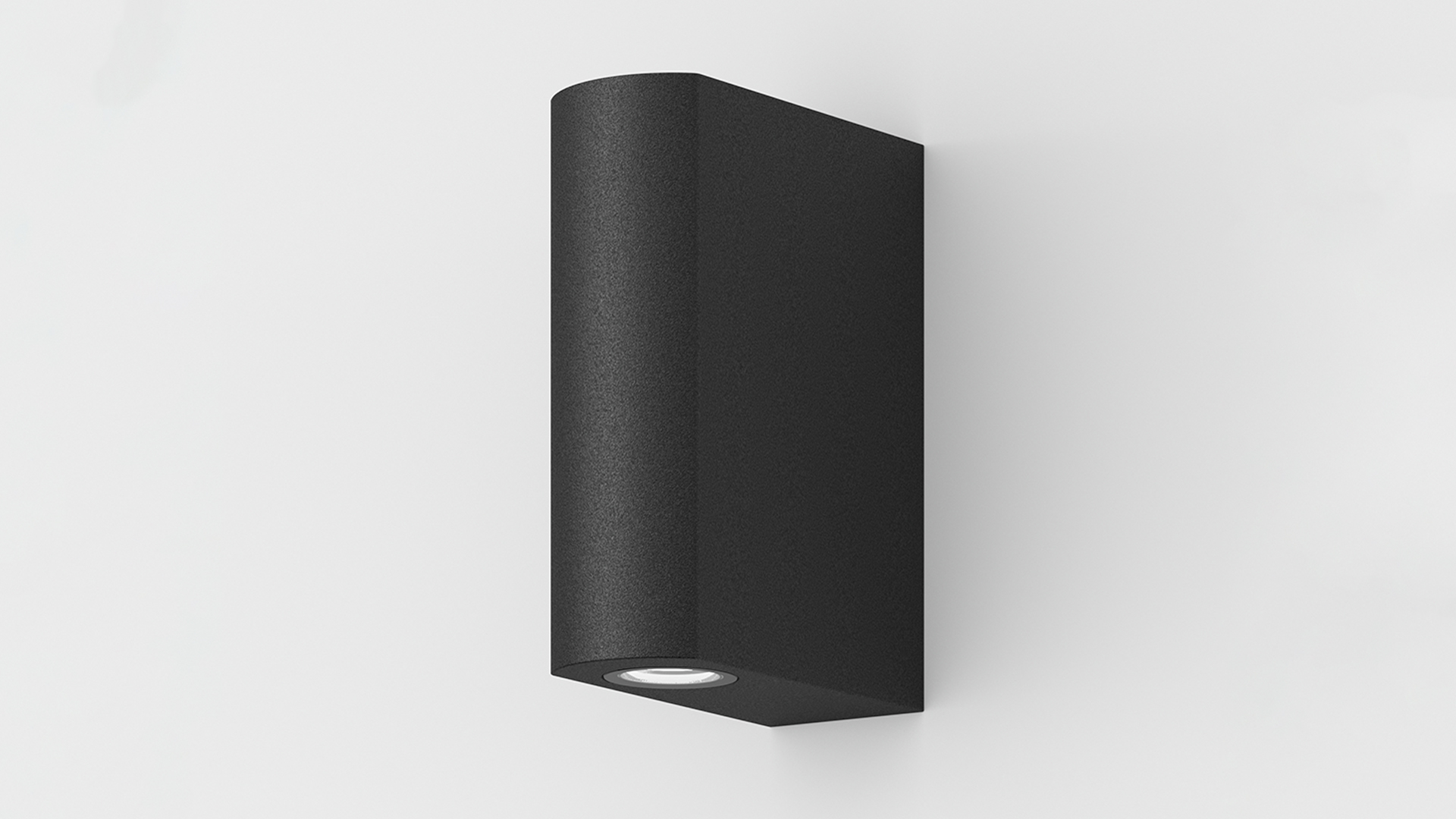
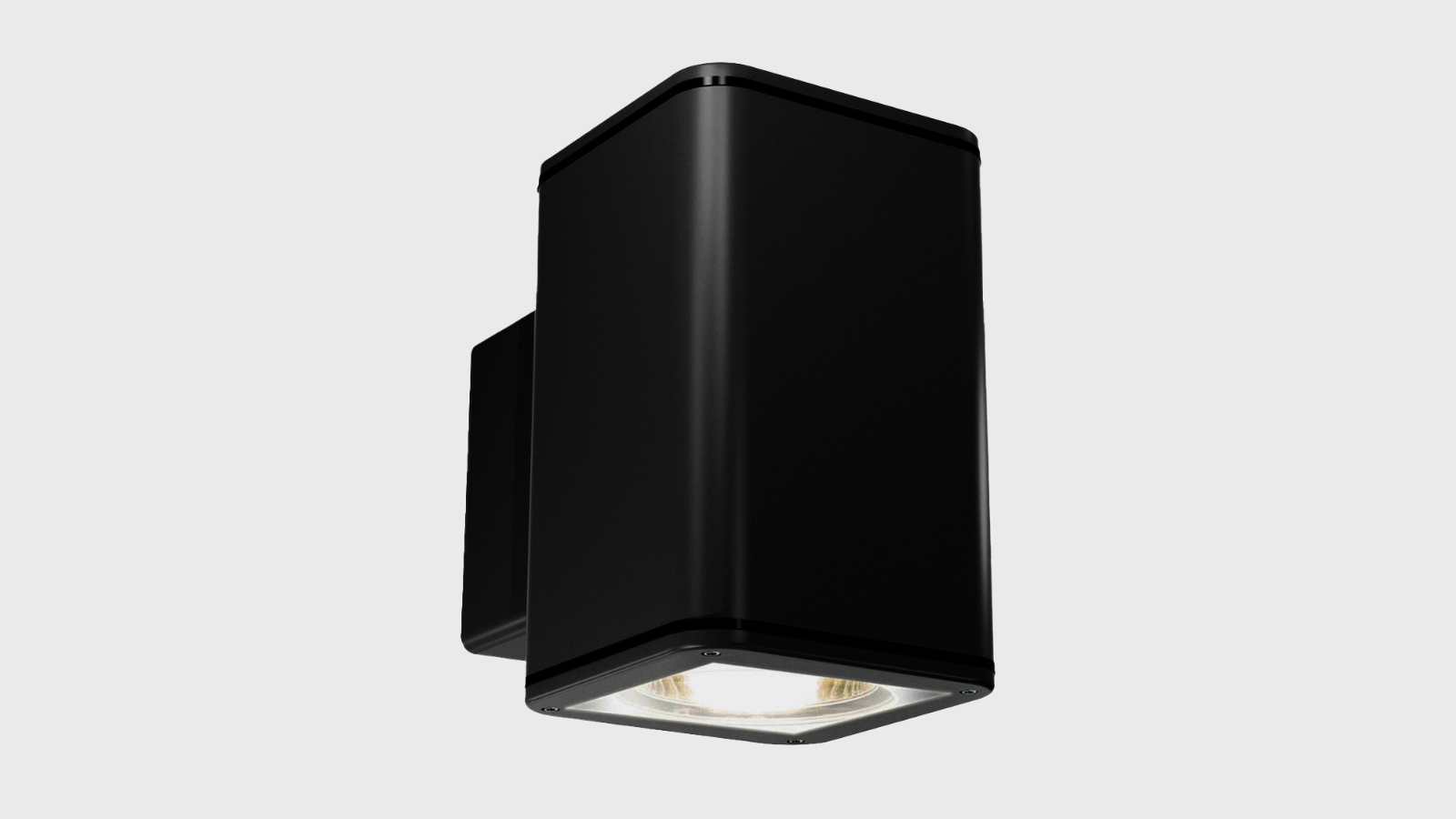
Embrace the Stars: Discover Beta-Calco Dark Sky Friendly Products